When Bush Hogging Norman Oklahoma Makes Sense
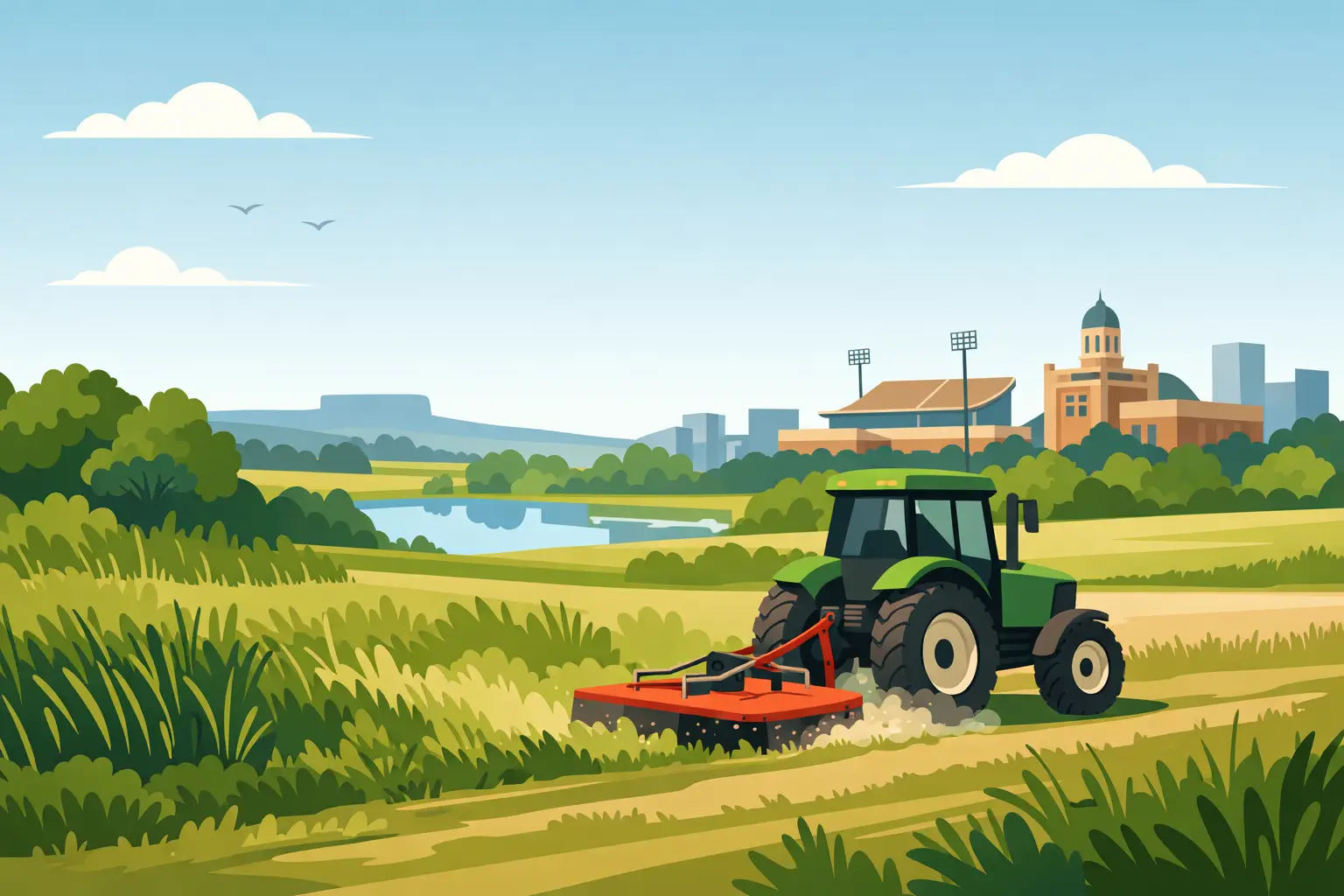
A field can go from manageable to unusable faster than many property owners expect. Spring rain, summer heat, and a missed mowing cycle can leave tall grass, woody brush, volunteer saplings, and hidden debris across an otherwise useful lot. Bush hogging Norman Oklahoma property is a practical way to take that ground back - restoring access, improving visibility, and making the next step on your land easier to plan.
For a rural homesite, that may mean reclaiming a fence line or driveway. For a pasture operator, it may mean getting ahead of weeds before they spread seed. For a builder or acreage owner, it can mean creating clear access for inspections, surveys, equipment, or future site work. The right result is not simply shorter vegetation. It is land that is safer and more functional for the way you intend to use it.
What Bush Hogging Is Built to Handle
Bush hogging uses a heavy-duty rotary cutter behind a tractor to mow down vegetation that is too rough, tall, or dense for a finish mower. It is commonly used on fields, vacant lots, utility paths, rural acreage, pond edges, pasture areas, and overgrown residential lots.
A properly sized machine can handle thick grass, weeds, briars, light brush, and many small saplings. It leaves cut material on the ground, where it can break down over time. That makes bush hogging an efficient maintenance option when the goal is to control growth, improve access, and keep a property from becoming more difficult to manage.
There are limits. Large trees, dense cedar stands, heavy deadfall, stumps, buried wire, and construction debris call for a different approach. In those situations, forestry mulching, selective clearing, debris removal, or site preparation may be the better fit. A walk-through before equipment arrives helps identify those conditions and prevents unnecessary damage or delays.
When Norman Properties Need Attention
Norman acreage sees a mix of open grass, native growth, brushy draws, residential expansion, and working land. What your property needs depends on its terrain, drainage, intended use, and how long it has been since the ground was maintained.
The most common reason to schedule bush hogging is simple: growth has reached the point where walking, driving, checking fences, or using the property is no longer comfortable. Tall grass can hide holes, rocks, scrap material, and changes in elevation. It also reduces visibility around structures, gates, outbuildings, and access roads.
Pasture and field maintenance is another common need. Regular cutting helps prevent many aggressive weeds and woody plants from taking over open ground. It will not replace a full grazing, fertilization, or weed-control plan, but it is a useful part of keeping pasture acreage usable. Timing matters. Cutting before unwanted plants go to seed can reduce the amount of repeat growth you face later.
Property owners also schedule work before a sale, construction project, fence installation, or major cleanup. Clear ground gives everyone a better view of the site. Survey crews, inspectors, contractors, and buyers can see where they are going and evaluate the property without pushing through waist-high vegetation.
Bush Hogging Norman Oklahoma: Timing Matters
There is no single best month for every property. In many cases, late spring through early fall is when vegetation is growing most aggressively and mowing provides an immediate improvement. However, dry ground conditions, slope, wildlife activity, and the condition of the field all affect when work should be completed.
A property that receives routine mowing may only need service once or twice a year. An overgrown lot that has been ignored for several seasons may need an initial heavy cut, followed by a shorter maintenance schedule while the vegetation is under control. The goal is to avoid waiting until small brush turns into a costly clearing project.
Weather can also change the schedule. Wet soil is more likely to rut under heavy equipment, especially in low areas or along pond edges. A responsible operator does not force equipment into soft ground simply to meet a calendar date. Waiting for better conditions can protect the property and produce a cleaner finished result.
If you are preparing for a specific deadline, such as a fence crew, a construction start, or a property listing, schedule early. A site assessment can determine whether standard bush hogging is enough or whether the work should include brush removal, mulching, grading support, or additional tractor work.
What Affects the Cost of Bush Hogging
A clear, itemized estimate should reflect the actual conditions on the ground, not just the number of acres. Two five-acre properties can require very different amounts of time and equipment.
The biggest cost factors are vegetation height and density, brush size, terrain, access, obstacles, and the distance equipment must travel across the site. A flat, open field with established access can usually be handled more efficiently than a steep lot with hidden debris, creek crossings, tight gates, or heavy sapling growth.
The first cut is often the most involved. Once a field is brought back under control, ongoing maintenance is typically faster and more predictable. That is why a maintenance plan can be a good value for acreage owners who want reliable access and cleaner ground throughout the year.
Be direct about what you know before requesting a quote. Mention old fence material, abandoned equipment, rock piles, drainage areas, septic components, utility pedestals, and places that stay wet. If you are unsure where hazards are located, say so. It is better to inspect carefully than to discover an obstacle with a mower.
A Safer Way to Prepare the Property
Good results begin before the tractor starts. Walk the areas you can safely reach and remove obvious trash, wire, hoses, children’s toys, loose lumber, and other items that could become projectiles. Mark wells, utility boxes, irrigation components, decorative trees, property corners, and anything else that must be protected.
Keep people, pets, and vehicles away from the active work area. Rotary cutting can throw rocks, sticks, and debris a significant distance. This is not a job for bystanders, especially on lots with uneven ground or poor visibility.
It also helps to define the finished goal. Do you need a broad field cut, a clean trail to a pond, access around a barn, a fence-line pass, or a build-ready work area? A clear plan helps the operator choose the right travel pattern, manage material, and focus time where it delivers the most value.
All Star Forestry Mulching approaches field work with the same discipline that matters on any active job site: assess conditions, discuss the plan, operate safely, and complete a final walkthrough so there is no confusion about what was done.
Bush Hogging Is Maintenance, Not Always Clearing
Bush hogging is one of the most effective ways to maintain open land, but it does not remove every problem from a property. Cut brush can regrow. Stumps remain in place. Dense tree cover stays rooted. If your land is transitioning from wooded or neglected acreage into a homesite, pasture, trail system, or development area, a more comprehensive clearing plan may be necessary.
That is not a reason to overbuild the project. Many properties benefit from a phased approach. Start by cutting accessible open areas, identify the thickest problem zones, then decide whether selected forestry mulching or removal work is needed. This can keep the project on time and on budget while giving you a realistic view of the land.
The best next step is a straightforward property assessment. Once you can see the ground, you can make better decisions about fences, grazing, drainage, construction, and ongoing care. A well-timed cut today can keep a manageable property from becoming a much bigger job next season.