Firebreak Clearing Near Homes for Safer Property
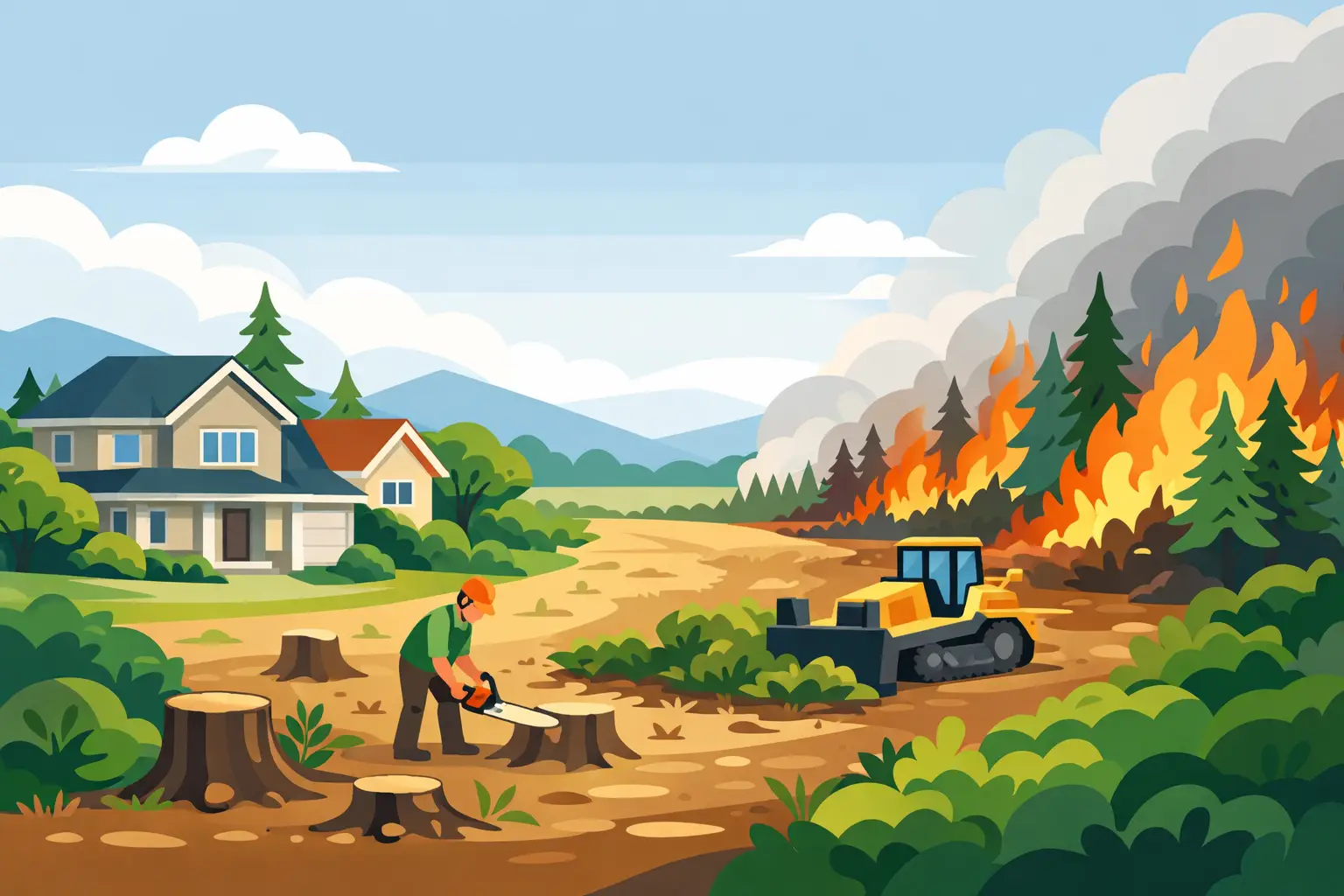
A grass fire does not need to be large to put a home, barn, fence line, or driveway at risk. In Oklahoma, dry grass, cedar, brush, leaf litter, and wind can move fire quickly across a property. Firebreak clearing near homes is one practical way to reduce that fuel and give firefighters, residents, and equipment a safer working area when conditions turn dangerous.
The goal is not to promise that vegetation clearing will stop every fire. Wind direction, drought, terrain, building materials, and the size of the fire all matter. The goal is to make it harder for flames and embers to travel directly from unmanaged vegetation to the places that matter most.
What a Firebreak Actually Does
A firebreak is an area where vegetation and other burnable material have been reduced, changed, or removed to slow a fire's path. Around a home, it is usually part of a larger defensible-space plan rather than a single strip of bare soil cut around the house.
A well-planned break reduces continuous fuel. That means limiting the connected path from tall grass to brush, brush to low tree limbs, and low limbs to a structure or roof. It can also create better access for a brush truck, tractor, or emergency crews if a fire approaches.
There is a balance to strike. Clearing every plant off a property can cause erosion, create muddy areas, and leave land looking rough. On many Oklahoma properties, the better answer is selective clearing: remove the heavy brush, thin crowded growth, mow or mulch thick grass, and keep low-hanging limbs from carrying fire upward into the tree canopy.
Start With the Home and Work Outward
The closest area to the house deserves the most attention. Keep dry leaves, pine needles, firewood, spare lumber, and other combustible materials away from the foundation, porch, deck, and HVAC unit. Clean roof valleys and gutters, especially where trees overhang the roofline. Embers can travel well ahead of a flame front, and small buildup areas can become ignition points.
Farther out, look for the vegetation that connects the yard to surrounding woods, pasture, or undeveloped acreage. Tall grass under cedar trees, brush growing along a fence, and dense saplings near an outbuilding can all create a continuous route for fire. Breaking up that route is often more effective than focusing on one isolated patch of weeds.
The right distance varies from property to property. A brick home on a maintained lot is different from a wood-sided home surrounded by cedar and native grass. Sloped ground, prevailing winds, nearby fields, and the location of neighboring vegetation also affect the plan. A site assessment should look beyond the property line because fire does not stop at a fence.
Pay Attention to Driveways and Access
Access is part of fire preparedness. A narrow driveway with overhanging limbs or brush crowding both sides may be difficult for emergency equipment to use. Clearing vegetation back from driveways, gates, turnarounds, and key entrances gives residents a cleaner evacuation route and gives responding crews more room to work.
This does not mean a property needs to look stripped or industrial. The work can be planned to preserve shade trees and privacy while removing low limbs, volunteer growth, and brush that reduce visibility and access. On larger acreage, maintained lanes can also serve as practical firebreaks between wooded areas, pasture, homesites, and outbuildings.
Firebreak Clearing Near Homes: Choosing the Right Method
The best method depends on what is growing, how close it is to structures, and what the land needs after clearing. Bush hogging works well for managing tall grass and lighter vegetation in open areas. It is often a good maintenance tool for pasture edges, large yards, and open lanes that need regular mowing before grass becomes heavy fuel.
Forestry mulching is useful where brush, small trees, saplings, and dense understory have taken over. A mulching machine can reduce unwanted vegetation in place, leaving a layer of processed material on the ground rather than creating large burn piles or hauling off every stick and limb. It is a practical option for overgrown fence lines, wooded homesites, and brushy acreage where access has become limited.
Mulch is not a substitute for maintenance. In dry conditions, any organic material can burn. The depth of mulch, the vegetation being processed, and its distance from the home all matter. Heavy mulch should not be piled against structures, under decks, or around other ignition-sensitive areas. A responsible clearing plan considers where material will remain and how the area will be maintained after the equipment leaves.
Mechanical clearing may be paired with selective hand work near buildings, utilities, fencing, landscaping, and sensitive trees. Some sites need a clean mowed strip. Others benefit more from thinning and ladder-fuel removal. The goal is not to use the biggest machine everywhere. It is to use the right approach for the property.
Common Hazards Property Owners Miss
Most fire risk does not come from one dramatic pile of brush. It comes from ordinary materials that have been allowed to build up over time. Cedar limbs touching the ground, leaves packed below a deck, vines climbing a wood fence, stacked firewood beside the house, and grass growing around equipment are all worth addressing.
Outbuildings need the same attention as the main home. Sheds, shops, barns, propane tanks, well houses, and livestock areas can be surrounded by dry grass before anyone notices. Keep a maintained area around these structures, and avoid storing fuel, lumber, or debris where flames could quickly reach the building.
Fence lines deserve a close look as well. They naturally collect windblown leaves, fallen limbs, and unmanaged vegetation. Once brush gets established there, it can limit access for repairs and create a fire path toward gates, barns, and neighboring property. Clearing a fence line can improve safety while making everyday land management easier.
Maintenance Is What Keeps a Firebreak Useful
A firebreak is not a one-time project. Grass returns, brush sprouts, storms drop limbs, and seasonal leaf buildup changes the fuel load. A property that was cleared two years ago may still need mowing, touch-up mulching, or selective trimming to remain functional.
For many Oklahoma properties, spring and late summer are useful times to inspect growth and access. Before periods of high fire danger, walk the areas around structures, driveways, fence lines, and equipment storage. Look for fresh growth, downed limbs, clogged drainage areas, and places where grass or brush has reconnected to trees or buildings.
If land has not been maintained for several seasons, start with the highest-priority areas rather than trying to address every acre at once. Focus first on the home, outbuildings, driveway access, and the side of the property most exposed to unmanaged grass or woods. A phased plan can control cost while still improving safety where it matters immediately.
Plan the Work Safely and Responsibly
Clearing work involves more than cutting vegetation. Before starting, identify utilities, septic components, wells, irrigation lines, fences, drainage channels, and areas that should remain untouched. Wet ground and steep slopes can change the equipment plan. If burning is being considered for debris, check current local restrictions and weather conditions first. Mechanical reduction is often a safer choice near homes and neighborhoods.
A clear estimate should explain the work area, the type of vegetation being addressed, expected access improvements, and any limits on the scope. At All Star Forestry Mulching, the work plan is built around the property itself, with practical recommendations for brush, grass, access routes, and ongoing maintenance rather than a one-size-fits-all clearing job.
The best time to address hazardous growth is before the next red-flag day makes the risk obvious. Walk your property while conditions are calm, note where grass and brush connect to structures, and make a plan that leaves your land safer, usable, and easier to maintain.