Land Clearing Tulsa Property Owners Can Trust
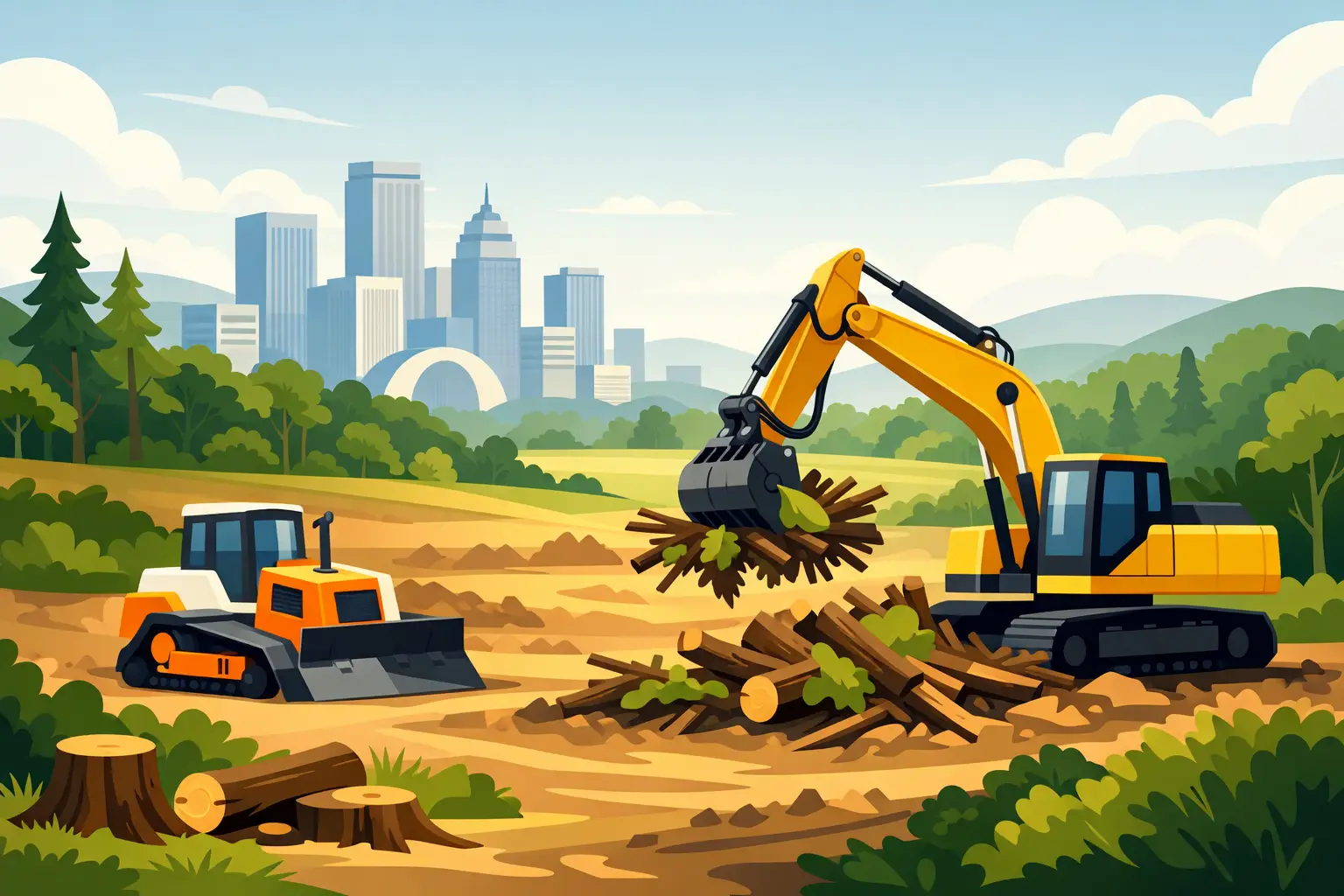
A property can look manageable from the road and still be difficult to use once you step into it. Cedar thickets close in on fence lines, brush hides holes and debris, and volunteer trees take over the places meant for access, pasture, or a future build site. For land clearing Tulsa property owners need, the goal should not be to strip a property bare. It should be to make the ground safer, more usable, and easier to maintain for the work ahead.
That takes more than sending in equipment and cutting everything in sight. Tulsa-area properties vary widely, from residential lots with heavy backyard growth to rural acreage with dense brush, overgrown trails, and neglected pasture edges. A good clearing plan starts with how you intend to use the land when the work is done.
Start With the Job the Land Needs to Do
Land clearing is often requested because a property has reached a tipping point. You cannot drive through it, inspect a fence, mow it effectively, or safely walk the area. But the right scope depends on the next use of the land.
A homeowner may need a cleaner yard edge, room for a shop, or access to a pond. A ranch owner may need cedar and invasive brush cut back so grass has a better chance to return. A builder may need a defined work area and dependable access before site preparation begins. Those are different jobs, even when they all begin with overgrowth.
Before work starts, identify what stays, what goes, and what needs protection. Mature shade trees, drainage paths, utility areas, gates, fence lines, and neighboring property lines all affect the plan. Clearing without that conversation can create unnecessary cleanup, erosion concerns, or expensive rework later.
Why Forestry Mulching Fits Many Tulsa Properties
Forestry mulching is often a practical choice for brush, saplings, cedar, and small trees. The equipment cuts vegetation and processes it into mulch that stays on the ground. That mulch layer can help reduce exposed soil, hold moisture, and limit the immediate need to haul away piles of brush.
For many acreage owners, it is a cleaner approach than pushing material into burn piles or leaving a mess along the edge of the work area. It can open trails, reclaim overgrown corners, improve visibility around structures, and make future mowing more realistic.
Still, forestry mulching is not the answer to every clearing project. If you need large trees removed, stumps extracted for a foundation, major grading, or extensive debris hauled away, the project may require additional equipment and a different sequence of work. Straight answers about those limits matter. The right method is the one that prepares the property for its actual next step, not simply the method that sounds fastest.
Mulch Is Helpful, But It Needs a Plan
Leaving mulch in place is usually beneficial, but depth matters. A light, even layer breaks down over time and helps protect the soil. Heavy concentrations around certain areas may need to be spread out, especially where future seeding, access lanes, or construction is planned.
Property owners should also understand that clearing brush does not automatically solve every vegetation problem. Some species will return. A follow-up maintenance plan, whether through bush hogging, selective mulching, or routine mowing, is often what keeps a reclaimed area usable year after year.
Land Clearing Tulsa Projects Should Protect Access and Safety
Overgrowth can hide more than unwanted vegetation. Old wire, dumped material, washouts, rocks, low limbs, and damaged fencing are common on neglected land. Before equipment starts moving, the operator needs a clear understanding of the site and the hazards that may be present.
This is especially important near homes, barns, driveways, utility corridors, ponds, and public roads. A responsible crew considers where equipment enters and exits, where material will land, how visibility will change, and whether the work could affect drainage or nearby structures. That preparation helps keep the project on schedule and prevents surprise damage.
Fire safety deserves attention as well. Dry conditions, accumulated brush, and equipment operating near structures can raise the stakes. A disciplined, safety-first approach is not an extra service. It is part of doing land work responsibly in Oklahoma.
What A Clear Scope of Work Looks Like
A reliable estimate should tell you what is included, not leave you guessing after the machine arrives. Property size alone does not determine cost. One relatively open acre can take less time than a fraction of an acre filled with thick cedar, tangled vines, fallen limbs, rocks, and limited access.
During a property assessment, the contractor should look at vegetation density, terrain, slopes, gate widths, travel distance, obstacles, and the finish you expect. They should also ask whether you need a selective clearing job, fence-line access, trail cutting, full brush removal, pasture improvement, or preparation for another contractor.
A clear, itemized estimate helps set expectations around the work area, equipment approach, cleanup needs, and any work that falls outside the original scope. That protects both the property owner and the crew. No one benefits from a vague price that turns into surprise fees halfway through a job.
Questions Worth Asking Before You Hire
Ask how the contractor handles marked trees, utilities, fence lines, and hidden debris. Ask whether the work will leave mulch in place, create piles, or require hauling. If you are planning construction, ask whether the requested finish is suitable for the next contractor or whether grading and stump work will still be needed.
It is also reasonable to ask about scheduling, communication, and the final walkthrough. Clearing changes a property quickly. You should know who to contact, what progress looks like, and how concerns will be handled before the crew leaves the site.
Think Beyond the First Day of Clearing
The best clearing projects make maintenance easier. Once brush has been removed, you may be able to maintain the area with periodic bush hogging, mow along fence lines, inspect drainage, and keep trails open. That is a much better position than waiting until vegetation is again too dense to manage.
For pasture and rural acreage, timing can make a difference. Clearing before a grazing plan, fence repair, or reseeding effort helps coordinate the work and avoids disturbing a finished area later. For residential and development projects, clearing should be coordinated with driveway installation, utility access, drainage work, and building schedules.
There is also a value in selective work. Removing every tree is rarely necessary, and it can leave a property exposed and less attractive. Keeping healthy shade trees, screening along boundaries, and natural cover in appropriate areas can preserve the character of the land while still improving access and safety.
A Practical Process From Assessment to Walkthrough
At All Star Forestry Mulching, the job starts with listening to what the property needs to become. After reviewing the site, the work plan should match the terrain, vegetation, access points, and intended use. That may mean forestry mulching dense cedar, bush hogging open growth, clearing around a fence, or combining services to get the land ready for the next phase.
Once the scope is set, dependable execution matters. Equipment should arrive prepared, work should stay within the agreed area, and the property owner should not be left wondering what happened at the end of the day. A final walkthrough is the time to confirm access is restored, key areas are addressed, and the site is ready for its next use.
Good land clearing is not measured only by how much brush disappears. It is measured by whether you can use, inspect, maintain, and move through your property with confidence when the work is complete.