Tractor Work for Acreage That Keeps Land Usable
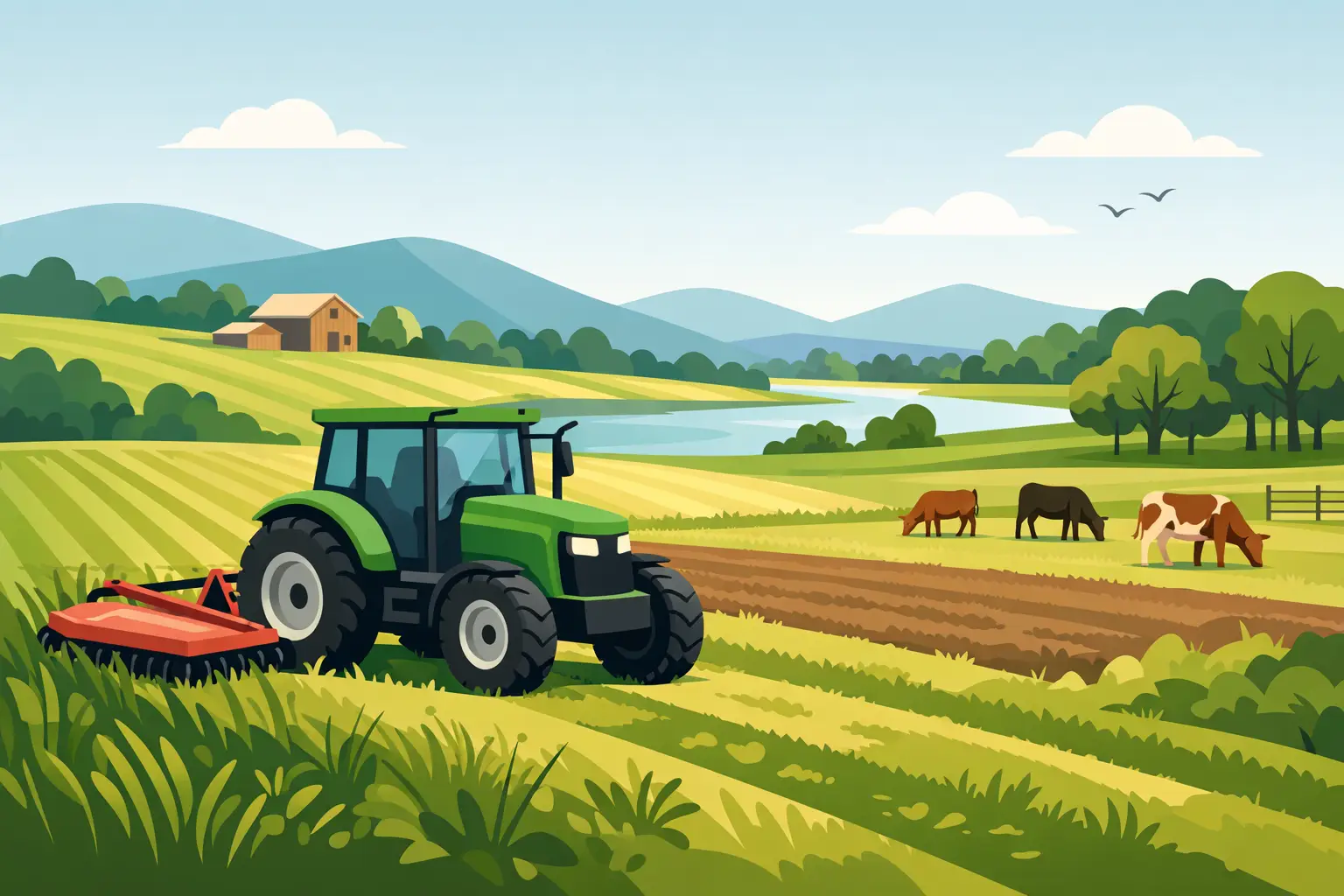
A field can look manageable from the road and still be hard to use once you get into it. Tall grass can hide washouts, saplings can close off a fence line, and rough ground can turn a simple trip to a pond, gate, or barn into a problem. The right tractor work for acreage puts the property back to work by improving access, controlling growth, and handling the practical jobs that do not always require full land clearing.
For Oklahoma landowners, tractor work is rarely just about making a place look neater. It can support grazing, reduce fuel around structures and access roads, keep a build site open, or make routine maintenance less time-consuming. The best approach depends on what is growing, how the land is used, the condition of the ground, and what needs to happen next.
What Tractor Work Can Do for an Acreage
Professional tractor work covers more than one task. On a maintained rural property, it may mean bush hogging a pasture that has grown up between seasons. On a neglected parcel, it may involve cutting back brush, opening trails, smoothing a work area, or removing downed material after a storm. The goal is to match the equipment and work plan to the condition of the land rather than treating every overgrown property the same way.
Bush hogging is often the starting point for acreage that has heavy grass, weeds, and light brush. It helps restore visibility and keeps vegetation from taking over open areas. Regular mowing can also help discourage young woody growth before it becomes a larger clearing project.
Some properties need more than mowing. Small trees, thick brush, fallen limbs, and uneven terrain may call for a combination of tractor work and forestry mulching. Tractor attachments are useful for many maintenance and access tasks, while a forestry mulcher is often the better fit for dense, woody vegetation that would be inefficient or unsafe to tackle with a mower alone.
That distinction matters. Sending the wrong equipment into thick brush can leave behind poor results, damage equipment, or create unnecessary expense. A site assessment should identify where mowing makes sense, where brush needs a heavier approach, and which areas should be left alone to protect drainage, mature trees, or property boundaries.
Start With the Land Use, Not the Equipment
A good land-work plan begins with a clear answer to one question: What do you need this acreage to do?
A pasture has different priorities than a future home site. Pasture operators may need better grass access, visible fencing, and controlled brush along the edges. A homeowner may need a clear route to a shop, pond, or back acreage. Builders and developers may need open, stable access for inspections, surveying, utilities, or early site preparation.
Once the end use is clear, the scope becomes easier to define. Rather than asking for a general cleanup, property owners can identify the areas that matter most: the driveway, fence rows, trails, open fields, drainage paths, building pads, and areas around structures. This helps prevent two common problems: paying to clear ground that does not need attention and overlooking the spots that create the biggest operational headaches.
It also helps establish priorities. If a property has one safe route in and out, opening and maintaining that route may come before cosmetic mowing in the back field. If vegetation is growing near a home, barn, utility area, or fence, that work may deserve attention before a lower-use portion of the acreage.
Tractor Work for Acreage Requires a Ground Check
What looks like a straightforward mowing job can change quickly based on ground conditions. Hidden rocks, wire, old fence material, stumps, holes, and low branches can damage equipment or create a safety hazard. Wet ground can rut under heavy machines, while steep or uneven areas need a careful operating plan.
Before work begins, an experienced operator should look for obstacles, evaluate access points, and talk through property lines and no-go areas. This is particularly valuable on land that has been vacant, inherited, recently purchased, or left unmanaged for several years. Those properties often have surprises under the growth.
Drainage deserves special attention. Mowing and clearing can improve access around ditches and low spots, but pushing material or repeatedly running equipment over soft ground can create problems if the work is not planned correctly. The same goes for creek edges, ponds, and established trees. Clearing everything to bare dirt is not always the right answer, especially when the property needs erosion control or shade.
A responsible plan works around those conditions. It may include leaving selected vegetation in place, approaching a slope from a safer direction, waiting for ground to dry, or separating dense brush work from routine mowing. That is not a delay for delay's sake. It is how the job stays on time, on budget, and useful after the equipment leaves.
When Routine Mowing Is Enough and When It Is Not
Regular bush hogging is one of the most cost-effective ways to maintain open acreage. If grass, weeds, and small shoots are the main concern, keeping up with mowing before the growth gets tall and woody can prevent a more involved project later. The schedule varies by rainfall, soil, grazing activity, and how polished the property needs to look, but consistency usually costs less than waiting several years.
Mowing has limits, however. Mature saplings, thick thorny brush, large debris, and heavily overgrown fence lines can exceed what a mower should be asked to handle. Forcing a bush hog into material beyond its intended use can leave rough cuts, missed areas, and equipment hazards.
This is where a combined strategy pays off. Forestry mulching can reduce heavy brush and small trees into ground cover, while tractor work can keep the newly opened area accessible and maintained afterward. On some sites, a one-time clearing phase followed by scheduled mowing provides the most durable result. On others, spot treatment in problem areas is all that is needed.
The right answer depends on the property. An owner preparing to sell may want clean, visible acreage and accessible boundaries. A ranch operator may focus on usable pasture and fence access. A family building on rural land may need a safe drive, a clear building area, and room for utility crews. Each goal calls for a different level of finish.
Plan for Access, Safety, and Follow-Up
Land work is easier when equipment can get where it needs to go. Gates should be measured, low limbs identified, and routes discussed before the work date. If livestock, pets, tenants, or neighboring properties are involved, those details need to be part of the plan as well.
Clear communication is just as important as the machine. A dependable contractor should provide a clear, itemized estimate, explain what work is included, identify likely site considerations, and avoid surprise fees. Property owners should know whether the scope includes mowing, brush removal, debris handling, trail opening, or follow-up maintenance.
Final walkthroughs are useful on larger jobs and on properties with several work zones. They give the owner and operator a chance to confirm that access routes are open, priority areas were addressed, and any remaining concerns are understood. Land changes over time, especially after Oklahoma storms and growing seasons, so a practical maintenance plan is often more valuable than treating the job as a one-time fix.
All Star Forestry Mulching approaches acreage work with that field-first mindset: assess the site, build a plan around how the land will be used, operate safely, and leave the property more functional than it was before.
A Better Standard for Land Maintenance
The cheapest mowing quote is not always the best value if the operator misses obstacles, tears up wet ground, ignores access needs, or leaves you with the same brush problem next season. Good tractor work should make daily property ownership easier. You should be able to reach gates, inspect fence lines, use trails, manage pasture, and see what is happening on your own land.
Before scheduling work, walk the acreage if you can and make a simple list of priorities: where access is blocked, where brush is spreading, what areas need mowing, and what should remain untouched. That preparation gives your operator a clearer picture and helps turn an overgrown piece of ground into land you can safely use and maintain.