How to Restore Neglected Acreage in Oklahoma
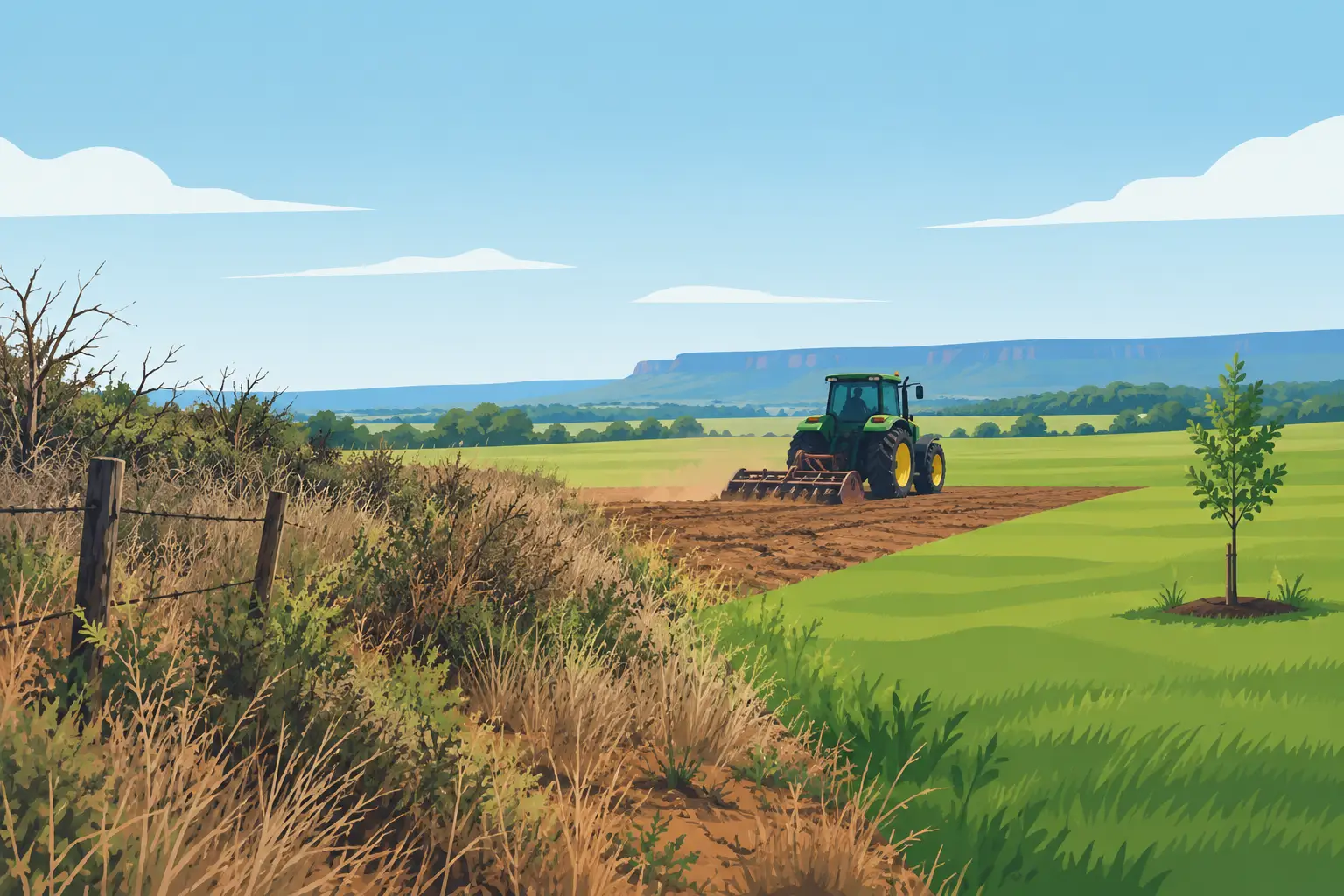
A property can go from usable to nearly inaccessible faster than most owners expect. One wet growing season, a few skipped mowings, and a stretch of unmanaged brush can hide fence lines, swallow trails, create fire concerns, and make a good piece of Oklahoma land feel like a problem. Knowing how to restore neglected acreage starts with a clear look at what is growing, what needs protection, and what you need the land to do when the work is finished.
The goal is not to strip every tree or scrape every inch bare. Good land restoration creates access, removes unwanted growth, addresses hazards, and leaves the property in a condition you can maintain. Whether you are preparing a homesite, opening a pasture, reclaiming a hunting property, or simply making your acreage safer to use, the right sequence saves time and prevents expensive rework.
Start With the End Use, Not the Brush
Before equipment arrives, decide how the property needs to function. A pasture needs different treatment than a future build site. A wooded homesite may need a cleared drive, defensible space around structures, and selective thinning while keeping mature shade trees. Land intended for livestock needs attention to toxic plants, fence access, water routes, and grass recovery.
Walk the property if it is safe to do so, or view it from known paths and roads. Mark the areas that matter most: entrances, existing trails, fences, gates, utility routes, ponds, creeks, drainage crossings, structures, and large desirable trees. Also identify the places you cannot safely reach. Dense cedars, thorny brush, fallen limbs, washouts, and hidden debris are reasons to bring in a professional rather than forcing your way through with a mower or compact tractor.
A useful restoration plan separates the property into work zones. The first zone is usually access: the driveway, gate, and route equipment will use. Next come high-value areas such as a homesite, pasture edge, barn area, or fence line. Outlying sections can be addressed later if the budget or timeline calls for a phased approach.
Assess Hazards Before Clearing Begins
Neglected acreage often contains more than tall grass and brush. Old wire, scrap metal, dumped materials, broken posts, abandoned equipment, and storm-damaged trees can be concealed under vegetation. In Oklahoma, overgrowth can also provide fuel continuity that allows grass or brush fires to move quickly toward structures, roads, and neighboring property.
Look for hanging limbs, leaning trees, dead cedar, and trees damaged by wind, drought, or insects. These may require controlled removal rather than a simple mowing pass. Pay close attention around power lines, water features, septic areas, culverts, and known utility easements. Call before digging whenever excavation is part of the project, and never assume an old-looking line is inactive.
Soil conditions matter as well. Soft ground, steep banks, wet-weather drainage paths, and erosion-prone slopes can change the equipment choice and timing. Clearing when soil is saturated can leave ruts that direct water where it does not belong. Sometimes waiting for drier conditions is the responsible choice, even when an owner is ready to get started immediately.
Choose the Right Method for the Job
There is no single machine or method that fits every neglected property. The right approach depends on vegetation size, terrain, desired finish, access, and what you want to preserve.
Forestry mulching is often a strong option for thick brush, small trees, cedar, and overgrown understory. The machine cuts vegetation and processes it into mulch that stays on the ground. That mulch can help reduce erosion, hold moisture, and limit immediate regrowth. It also avoids the burn piles, hauling, and open ground often associated with more aggressive clearing methods.
Bush hogging works well when the main issue is tall grass, weeds, light brush, and routine field maintenance. It is a practical way to reclaim open areas after heavy growth, but it is not designed to solve every dense-wooded or tree-removal problem. Trying to use a light mower on material beyond its capacity can damage equipment and leave an uneven result.
Some sites need a combination of services. A crew may first open access, mulch dense brush along boundaries, bush hog open ground, remove selected hazard trees, and then return for follow-up mowing after new growth appears. For a build site, the plan may also include grading, debris removal, or preparing a cleaner work area for the next contractor.
The trade-off is straightforward: the faster and more aggressive the clearing, the more likely you are to disturb soil, remove useful cover, or create additional cleanup. Selective work takes planning, but it usually produces a property that looks intentional and remains easier to manage.
How to Restore Neglected Acreage Without Creating New Problems
The best restoration work protects the features worth keeping. Mature hardwoods, healthy native grasses, established drainage routes, pond edges, and productive soil should guide the work plan rather than become accidental casualties of it.
Start by opening safe access and removing the growth that blocks visibility and movement. Once the property can be reached, address dense brush and invasive or unwanted woody growth in priority areas. Avoid clearing all the way to creek banks, pond edges, or steep drainage channels unless there is a specific erosion-control plan. Those areas often need vegetation to hold the soil in place.
Keep an eye on fence lines. Old barbed wire and woven wire can be wrapped into brush or buried beneath years of leaf litter. Clearing around fences improves inspection and repair, but it should be done carefully so the existing line is not pulled down or damaged. If you plan to install new fencing, clearing adequate working room first can make the project faster and cleaner.
For owners planning a future home, shop, or barn, establish the building area and utility access early. You do not need to clear the whole tract just because a structure is planned. Clearing only the build envelope, driveway route, septic area, and required work space can preserve privacy, shade, and a natural buffer while keeping the project on budget.
Give the Land Time to Recover
A newly cleared property can look finished on day one, but restoration is usually a process. Once sunlight reaches the ground, dormant seeds and surviving roots respond quickly. Some regrowth is expected. The question is whether the desirable plants or the problem plants take over.
In open areas, evaluate whether the ground has enough grass cover to stabilize the soil. If it does not, a pasture or lawn establishment plan may be needed. The proper seed mix depends on soil, intended use, grazing pressure, sunlight, and the season. A bare field is not a long-term solution, particularly on slopes or near drainage paths.
If livestock will use the land, do not turn animals onto freshly reclaimed acreage without checking the condition of fences, water access, holes, stumps, and plant growth. Brush removal can expose hazards that were previously hidden. It can also reveal areas that need lime, fertilizer, reseeding, or weed control before they will support grazing well.
Mulch left by forestry work is useful, but it is not permanent weed control. It breaks down over time and may need to be paired with mowing, selective herbicide treatment, or additional maintenance. That is normal land management, not a sign that the first clearing was unsuccessful.
Build a Maintenance Schedule You Can Keep
The most cost-effective restoration plan includes what happens after the initial clearing. If brush has been allowed to grow for years, expect follow-up work. Young cedar, saplings, vines, and thorny growth are much easier and less expensive to manage before they become another dense stand.
For many Oklahoma properties, a seasonal mowing or bush hogging schedule keeps open ground usable. Wooded acreage may benefit from periodic forestry mulching along trails, fence lines, roads, and defensible areas around structures. The timing depends on rainfall, vegetation type, livestock use, and how quickly the land grows back.
Walk the property after major storms and during the growing season. Check gates, culverts, drainage paths, fences, low-water crossings, and tree limbs near driveways or buildings. Small issues are usually straightforward when found early. Left alone, they can turn into blocked access, washouts, equipment damage, or safety concerns.
A professional assessment should result in a clear work plan and itemized estimate, not a vague promise to “clean it up.” Ask what equipment is recommended, what vegetation will remain, how debris will be handled, and whether the quoted work includes a final walkthrough. You should know where the crew will enter, what areas require special care, and what the property will look like when the job is complete.
All Star Forestry Mulching approaches acreage work with that kind of practical planning: assess the site, match the equipment to the conditions, complete the agreed scope safely, and leave the owner with usable ground instead of a new mess to solve.
Restoring neglected acreage is less about making land look instantly perfect and more about making it safe, accessible, and manageable for the next season. Start with the area you need most, protect the land features that add value, and set a maintenance plan that fits your property and your budget.