How to Improve Grazing Acreage in Oklahoma
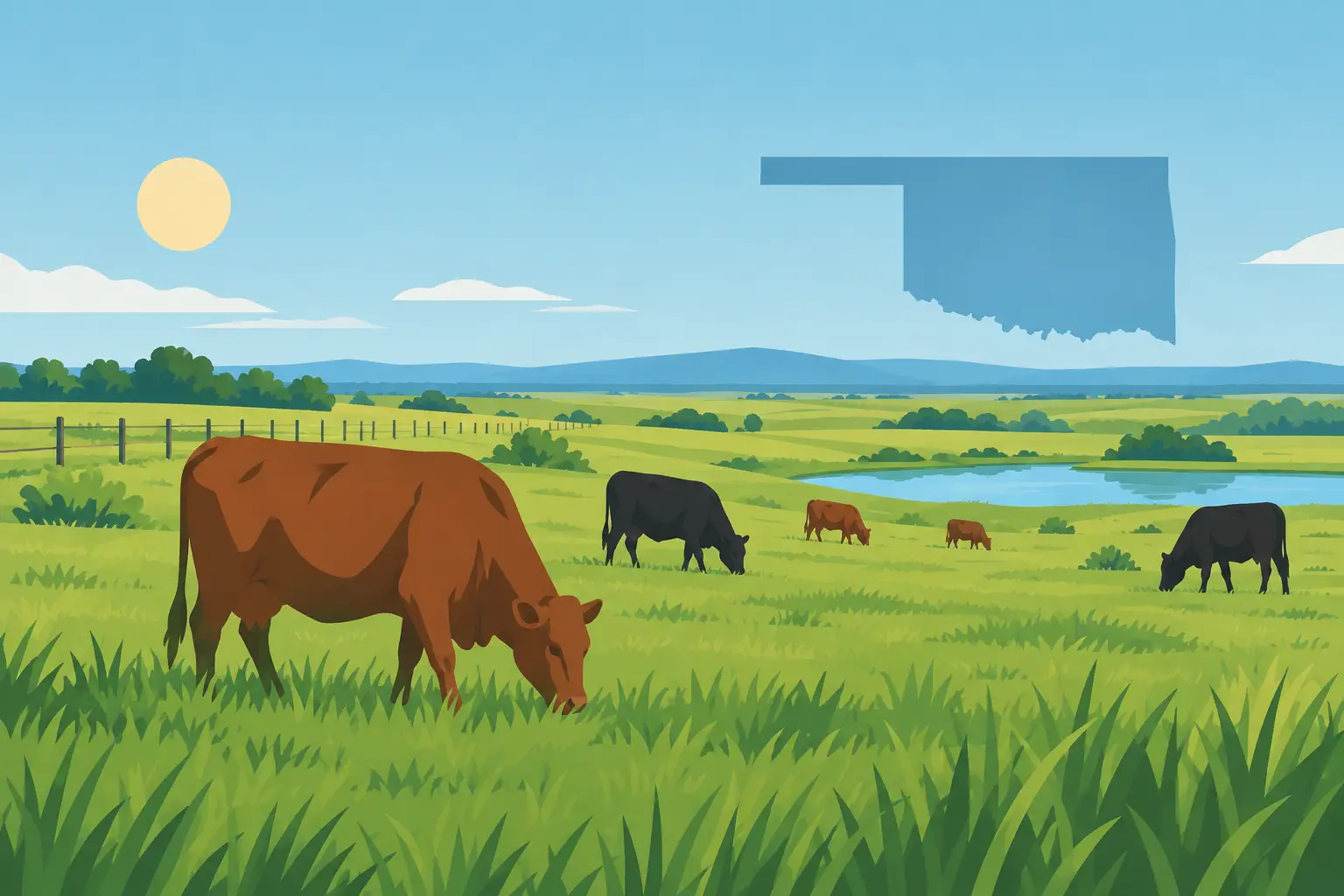
A pasture can look green from the road and still fail the animals using it. Thick cedar, brushy fence lines, invasive weeds, uneven grazing pressure, and poor access can quietly take usable acres out of production. To improve grazing acreage, start by looking at the land as a working system: where livestock can move, where water is available, what forage is actually growing, and what vegetation is competing with it.
For Oklahoma property owners, the right answer is rarely to clear every tree or mow every inch the same way. Productive pasture work is targeted. The goal is to reclaim usable ground, protect good grass, make the property safer to manage, and create a maintenance plan that keeps brush from taking over again.
Start With the Acres You Already Have
Before adding fencing, buying seed, or bringing in more animals, walk the property and identify what is limiting grazing today. A pasture may have 40 acres on paper but only 25 acres that cattle, horses, or small livestock can use effectively. The rest may be tied up in thickets, saplings, wet crossings, steep draws, or areas that cannot be reached safely with equipment.
Look for brush that has moved beyond a scattered nuisance. Eastern red cedar, locust, volunteer trees, blackberry growth, and dense brush can crowd out sunlight and moisture that forage needs. Heavy woody growth also creates blind spots, blocks livestock movement, and makes it harder to inspect fences or spot hazards.
Pay attention to the edges as well. Overgrown fence lines reduce the usable footprint of a pasture and make routine repairs harder. When a downed limb, hidden T-post, or tangled brush sits along a boundary, a simple fence check becomes a bigger job. Reclaiming those margins can add meaningful grazing room and make the entire property easier to manage.
Use Brush Control to Improve Grazing Acreage
Brush control is often the fastest way to improve grazing acreage because it addresses competition directly. Every cedar or dense brush patch is using water, nutrients, and sunlight that could support forage. On many Oklahoma properties, removing unwanted woody growth opens up ground that has been unusable for years.
Forestry mulching is a practical fit for many pasture reclamation projects. It can process brush, small trees, and unwanted saplings while leaving a mulch layer across the soil surface. That mulch can help reduce erosion, hold moisture, and limit exposed dirt compared with pushing everything into piles or burning it. It also avoids the large root disturbance that comes with some clearing methods.
That does not mean forestry mulching is the right approach for every acre. Large trees may need selective removal, heavy rock may require a different equipment plan, and invasive plants with aggressive regrowth may need follow-up treatment. A good site assessment looks at the vegetation, slope, soil conditions, fences, utilities, drainage, and the intended use of the pasture before work begins.
The key is selective clearing. Keep desirable shade trees where they benefit livestock. Protect creek banks and drainage areas. Clear travel lanes, fence corridors, water access, and brush-choked sections that are preventing grass from growing. Clearing with a purpose delivers better pasture results than treating the entire property like a blank slate.
Do Not Mistake a Clean Look for a Finished Job
Freshly cleared ground looks like progress, but pasture improvement continues after the equipment leaves. Mulched brush will not turn into strong forage overnight, especially if the underlying soil is thin, compacted, or short on nutrients. The next steps should be based on what the land needs, not on a one-size-fits-all pasture recipe.
If bare areas remain, consider a soil test before applying fertilizer or lime. The results can help determine whether soil amendments make financial sense and which forage varieties are suited to the site. Some fields need reseeding; others simply need sunlight, rest, and better grazing management to recover. Spending money on seed before addressing brush, soil conditions, and grazing pressure can lead to disappointing results.
Protect Forage With Better Grazing Pressure
Brush removal increases opportunity, but stocking decisions determine whether that opportunity lasts. Overgrazing is one of the quickest ways to weaken a pasture. When animals repeatedly graze plants down to the ground, desirable grasses lose root strength and weeds gain an opening.
Rotational grazing can help, but it does not have to be complicated. Dividing a larger pasture into manageable sections gives forage time to recover between grazing periods. The number of paddocks, the length of rest, and the stocking rate all depend on rainfall, forage type, animal class, soil, and the season. A plan that works in a wet spring may need adjustment during an Oklahoma summer dry spell.
Water placement matters more than many landowners expect. If the only water source sits in one corner, animals tend to concentrate their movement, manure, and hoof traffic around that area. Better access to water can encourage more even grazing and reduce worn-out trails. The same principle applies to shade, mineral locations, gates, and feeding areas.
Keep an eye on utilization rather than relying only on the calendar. If livestock are grazing plants too short, move them sooner or reduce pressure. If forage is getting mature and stemmy in an area, mowing or changing grazing timing may help keep it productive. Pasture management works best when it follows what the grass is doing on the ground.
Make Access and Safety Part of the Plan
A pasture that cannot be accessed safely is harder to maintain and less useful when it counts. Clear lanes for tractors, trailers, feed vehicles, and emergency access. Remove low limbs and brush that scrape equipment or block visibility at gates and turns. If a storm drops limbs across a trail or a fence line, quick cleanup can prevent a small problem from becoming a livestock escape or equipment hazard.
Drainage deserves the same attention. Deep ruts, washed-out crossings, and soft ground can limit where animals and equipment travel. Do not clear vegetation from drainage areas without a plan, since roots and groundcover often help hold soil in place. In some locations, selective thinning is smarter than complete removal.
Safety also includes knowing what is hidden in the brush. Old wire, dumped material, abandoned equipment, utility lines, and unstable trees can change the scope of a clearing project. A professional operator should identify those issues before starting work, explain the options, and provide a clear, itemized estimate rather than treating surprises as an excuse for vague added costs.
Plan for Regrowth Before It Starts
Brush control is not a one-time event on most Oklahoma acreage. Cedar seedlings, volunteer trees, weeds, and thorny growth will return if the property is left alone long enough. The good news is that routine maintenance is usually faster and more affordable than reclaiming a neglected pasture all over again.
Schedule seasonal walk-throughs of fence lines, creek approaches, gates, and previously cleared areas. Watch for seedlings before they become trees and for weed patches before they spread. Light bush hogging may be enough in open areas, while denser regrowth may call for targeted mulching or other vegetation management.
A practical maintenance schedule depends on rainfall, soil, livestock use, and the amount of nearby seed source. Some properties need annual attention. Others can go longer between major visits but benefit from spot work along boundaries and access roads. The best schedule is the one that keeps small jobs from becoming major clearing projects.
Choose Work That Matches Your Property Goals
Improving a horse pasture is different from opening grazing ground for cattle, and both differ from preparing acreage for a future home site while preserving room for livestock. Be clear about the outcome you want: more usable forage, better visibility, safer fence access, room for a new cross-fence, or a cleaner route to a pond or barn.
At All Star Forestry Mulching, the work starts with that conversation. A site-conscious plan can combine forestry mulching, bush hogging, selective clearing, tractor work, and ongoing maintenance without clearing more than the property needs. The result should be land that is easier to use now and easier to care for next season.
Good pasture does not happen because every acre looks manicured. It happens when grass has room to grow, livestock can move safely, equipment can get where it needs to go, and brush is handled before it takes the ground back. Start with the areas costing you the most time and usable acreage, then improve them with a plan built for the way you actually use your land.