How to Manage Invasive Brush on Oklahoma Land
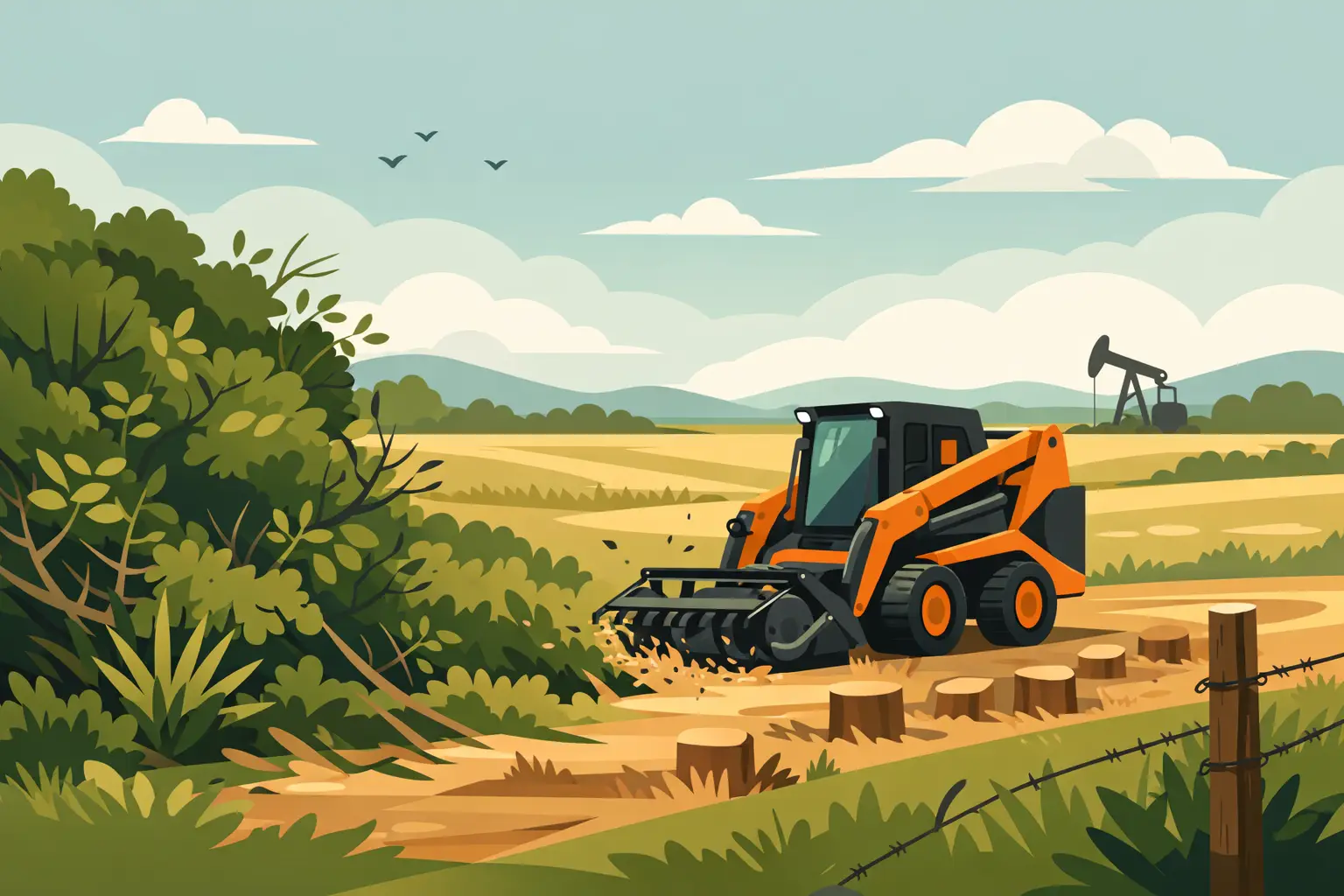
A fence line that disappears, a pasture shrinking from the edges, or a driveway that feels tighter every season are more than appearance problems. To manage invasive brush effectively, Oklahoma property owners need to address what is growing, why it is spreading, and how the ground will be maintained after the initial work is done.
Brush rarely takes over all at once. A few neglected saplings, thorny vines, volunteer cedars, or fast-growing shrubs can quickly turn usable acreage into rough ground that is difficult to mow, inspect, graze, or reach with equipment. The right plan restores access without creating unnecessary damage, surprise expense, or a bigger maintenance problem later.
Start With the Property’s Real Purpose
The best brush-management method depends on what the land needs to do next. A homeowner preparing a backyard for a shop or fence has different priorities than a rancher reclaiming grazing ground. A builder opening a future homesite may need clear equipment access, while an absentee owner may be focused on reducing fire risk and making routine visits safer.
Before any equipment starts, walk the property with a clear objective. Identify the areas that need access, the trees worth protecting, drainage paths, utility corridors, fences, ponds, rock outcroppings, and any structures hidden by growth. This assessment is where a good land-management job separates itself from generic clearing.
It also helps determine the proper scope. Light brush along a driveway may only need mowing or bush hogging. Thick cedar, hedge, small hardwoods, and tangled understory often call for forestry mulching. Mature trees, large stumps, or material that must be removed from the site may require a different approach altogether.
Know Which Brush Is Causing the Problem
“Invasive brush” is often used as a catch-all term, but the growth on your land may include several different issues. Eastern redcedar is a common Oklahoma concern because it crowds out grass, pulls moisture from the site, limits visibility, and increases wildfire risk when it becomes dense. Blackberry and greenbrier can make fence repairs and livestock access miserable. Volunteer trees and woody brush can gradually close open fields.
The goal is not always to remove every living plant. Native cover can support wildlife, stabilize soil, and provide shade where it is wanted. The practical question is whether the vegetation is preventing the land from serving its intended purpose.
Brush that blocks roads, hides hazards, crowds fences, takes over pasture, or creates a ladder for fire deserves prompt attention. If you are unsure what should stay and what should go, flag the trees and habitat areas you want protected before work begins. Clear instructions on the ground help avoid costly mistakes.
Choose the Right Way to Manage Invasive Brush
Cutting brush is only one part of the decision. The equipment and method affect cleanup, soil disturbance, regrowth, budget, and how quickly the property can be used again.
Forestry Mulching for Dense, Woody Growth
Forestry mulching uses a dedicated machine to cut and process brush, saplings, and small trees into mulch spread across the ground. For many overgrown Oklahoma properties, it is a practical option because it clears vegetation without requiring widespread burning or hauling.
The mulch layer helps cover exposed soil, reduce erosion, and hold moisture while the site recovers. It can also make the land look cleaner immediately after work is completed. On acreage with uneven terrain, established trees to work around, or a mixture of thick brush and open areas, mulching gives an experienced operator room to work selectively.
There are trade-offs. Mulching is not a cure for every plant, and some species may return from roots, seed, or nearby untreated areas. It also does not remove large stumps or grade a building pad. If your project requires excavation, drainage changes, or complete removal of root systems, the work plan may need additional steps.
Bush Hogging for Maintenance and Lighter Growth
Bush hogging is well suited for grass, weeds, light brush, and routine acreage upkeep. Once a field has been reclaimed, scheduled mowing can keep small growth from becoming another clearing project.
It is usually not the right first move for heavy woody brush. Running mowing equipment through thick saplings, hidden debris, or tangled vines can be inefficient and hard on equipment. A property may need forestry mulching first, followed by bush hogging as part of its ongoing maintenance schedule.
Hand Work and Targeted Removal Near Sensitive Areas
Close to homes, fences, water features, utility lines, and valuable landscape trees, slower and more targeted work may be the safest choice. Clearing around a pond bank or beneath overhead lines is not a place for a one-size-fits-all approach.
A careful operator can work around these features, but property owners should point them out during the site visit. Marking known utilities, septic components, irrigation lines, and buried obstacles is a basic safety step that protects people, equipment, and the property.
Handle Safety Before the Brush Is Gone
Overgrowth can hide hazards that do not show up in a quick drive-by. Old wire, fallen posts, discarded equipment, washouts, loose rock, buried concrete, and damaged fencing are common on neglected land. Thick cover can also limit sightlines around driveways and trails.
Start by securing safe access for the crew and equipment. Keep children, pets, livestock, and bystanders away from active work areas. If the property borders a road, plan for equipment movement and visibility. Do not assume a brush pile is harmless simply because it has been sitting for years. It may contain metal, sharp debris, animal nests, or dry material that can become a fire concern.
Fire safety deserves special attention in Oklahoma. Dense cedar and dead brush can carry flames quickly, especially during dry, windy conditions. Clearing around homes, barns, gates, access roads, and critical infrastructure can improve defensible space and give responders more room to work if an emergency occurs. That does not mean stripping every acre bare. It means reducing the fuel load where it presents the greatest risk.
Plan for Regrowth From Day One
The biggest mistake in brush management is treating the first clearing as the finish line. Brush comes back when sunlight reaches the ground, seeds move in from neighboring areas, or established roots send up new growth. A well-cleared property can look excellent for a season and still need attention the next year.
After clearing, check the site regularly during the growing season. Watch fencelines, creek edges, tree lines, and the outside borders of the cleared area first. These are common places for new growth to gain a foothold. Dealing with small regrowth early is faster and more affordable than waiting until it becomes dense again.
Your follow-up plan may include routine bush hogging, spot treatment where appropriate, selective trimming, or another light mulching pass after several years. The schedule depends on the property, rainfall, soil conditions, livestock use, and the kinds of brush present. Pasture that is actively managed will behave differently than a vacant lot or recreational tract left alone for long periods.
Get a Clear Scope Before You Hire
Brush work can look simple from the road, but pricing and scheduling depend on conditions that are easy to miss. Acreage alone does not tell the full story. Density, stem size, slopes, wet areas, access points, debris, desired finish, and protected features all matter.
Ask for a clear, itemized estimate that explains the work area and expected result. Confirm whether the goal is rough access, full brush reduction, pasture reclamation, fence-line clearing, site preparation, or ongoing maintenance. Discuss what happens to the material, whether stumps will remain, and whether cleanup beyond mulching is included.
A reliable contractor should also communicate about timing, site access, weather delays, and any conditions that could change the scope. No surprise fees and no vague promises are especially important when equipment is working near homes, fences, livestock, or future construction areas.
Make the Land Easier to Use, Not Just Cleaner to See
The strongest brush-management projects improve how a property functions. You should be able to reach a gate without fighting thorns, inspect a fence without walking through waist-high growth, use a pasture more fully, or bring in a truck without scraping through overhanging brush.
For Oklahoma landowners, that often means working in phases. Open the access road and key boundaries first. Reclaim the areas needed for grazing, building, or recreation next. Then set a realistic maintenance plan that matches the time and budget you have available.
When the work is planned around the property instead of just the machine, invasive brush stops dictating how you use your land. A careful first pass and consistent follow-up can keep it that way for years.