Storm Damage Recovery for Oklahoma Landowners
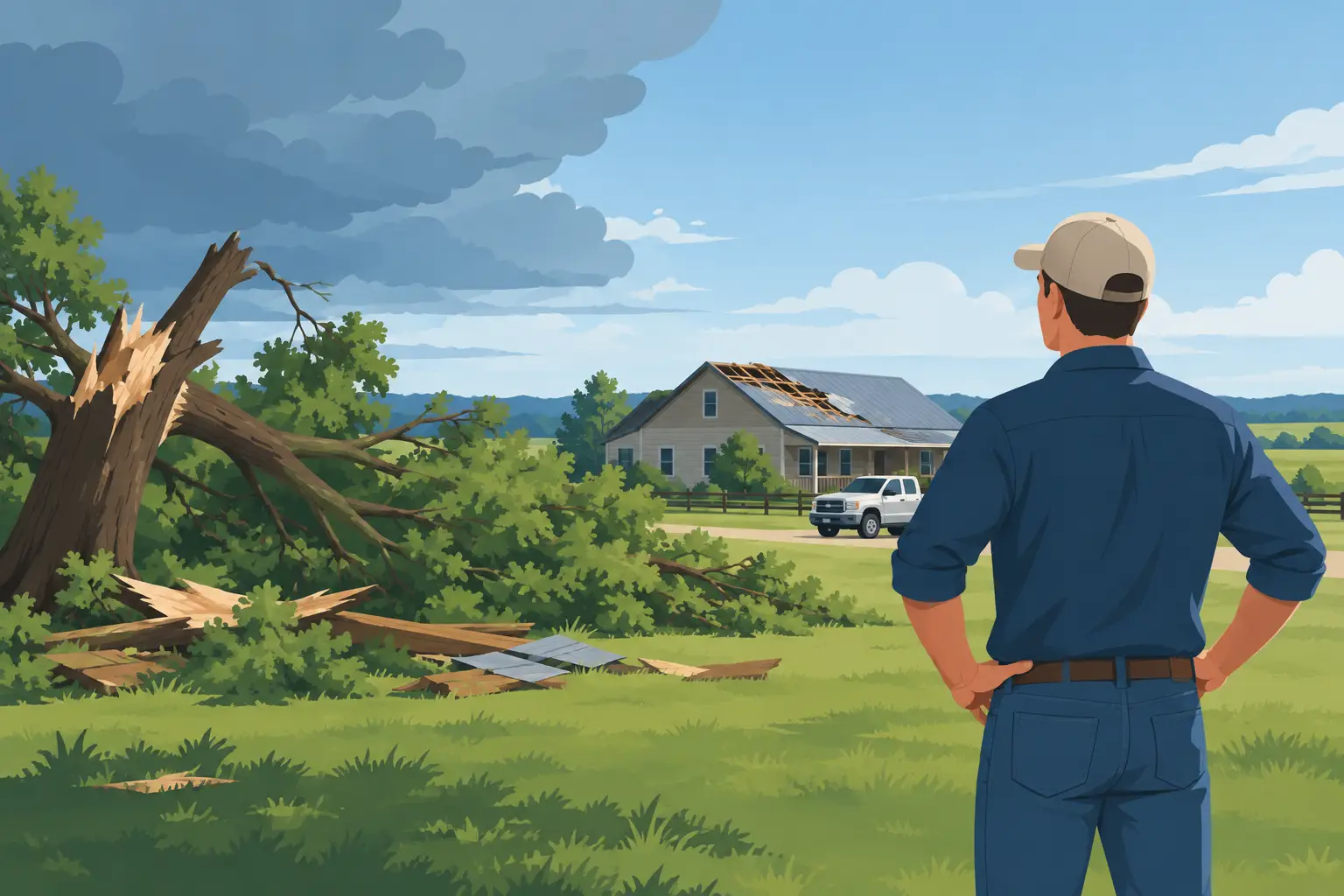
A storm can turn a usable driveway, pasture, fence line, or build site into a mess in one night. Effective storm damage recovery is not just about making a property look cleaned up. It starts with protecting people, restoring access, identifying hazards, and choosing a cleanup method that does not create more damage to the land.
For Oklahoma property owners, the work may involve wind-thrown trees, broken limbs, scattered brush, washed-out access routes, damaged fencing, or dense debris pushed into draws and tree lines. The right response depends on the site, the condition of the vegetation, and what the land needs to do once the cleanup is complete.
Start With Safety and Site Access
After high winds, tornado activity, heavy rain, or ice, it is tempting to start cutting and dragging debris right away. That is also when many property injuries happen. Trees under tension, hanging limbs, unstable root balls, hidden wire, and downed utility lines can turn a routine cleanup into a serious hazard.
Walk the property carefully before bringing in equipment. Stay well clear of any downed or low-hanging power line, even if it appears inactive. Contact the utility provider or emergency services when a line may be involved. Do not drive equipment over it, move it with a chain, or attempt to cut nearby limbs.
Other conditions call for caution as well:
- Leaning trees with lifted roots or cracked trunks
- Limbs suspended in other trees, sometimes called hangers or widowmakers
- Fences, cables, irrigation lines, and gates hidden beneath brush
- Soft ground that can trap trucks, tractors, or skid steers
- Washed-out culverts, ditches, and driveways that look stable from a distance
Once immediate hazards are identified, focus on access. A clear route to the home, barn, livestock, road, or work area often comes before full-property cleanup. Opening a safe lane lets homeowners, utility crews, livestock managers, and repair contractors get where they need to go without driving across sensitive ground or taking unnecessary risks.
Prioritize Storm Damage Recovery by What Matters First
Not every fallen tree needs the same response. On a small residential lot, the first priority may be clearing a driveway and removing limbs from a roofline after those areas have been assessed for safety. On acreage, the priority may be opening a ranch road, restoring access to water, checking a perimeter fence, or clearing debris away from livestock areas.
A practical cleanup plan puts the highest-risk and highest-use areas first. That usually means access roads, structures, utility areas, gates, fences, drainage routes, and pasture entrances. Cosmetic cleanup can come later, after the property is safe and functional.
This order also helps control costs. Sending crews and equipment across an entire tract without a plan can waste time and tear up ground that did not need to be disturbed. A site assessment identifies what can be handled efficiently in place, what needs to be removed, and what should be left alone until conditions improve.
For example, a downed cedar thicket along a rural fence line may be a good candidate for mulching once hazards are removed. A large hardwood tree lying across a driveway may need to be cut, moved, and staged first. Debris piled against a creek bank or drainage ditch needs a more careful approach so cleanup does not block water flow or cause erosion during the next rain.
Choose the Right Cleanup Method for the Land
Storm debris does not always need to be hauled away. In many cases, forestry mulching can process downed brush, small trees, and woody growth into mulch that stays on the property. That mulch can help cover exposed soil, reduce mud, and slow the return of unwanted vegetation. It can be a clean, efficient option for wooded acreage, overgrown lots, fence lines, and areas where hauling and burning are not the best fit.
Still, mulching is not a one-size-fits-all answer. Large trunks, construction debris, metal, wire, trash, and utility-related materials must be handled separately. Wet conditions may require waiting until equipment can work without rutting pasture or damaging a newly repaired driveway. If a landowner plans to build, install a fence, reseed a pasture, or establish a new access road, the cleanup plan should support that next step.
Bush hogging can be useful once storm debris is removed and the ground is safe to mow. It helps regain control of tall grass and light vegetation that can hide hazards or make an area difficult to inspect. Tractor work may be the better choice for grading, moving loose debris, improving access, or addressing minor drainage issues after the site is cleared.
The best method depends on what is on the ground, where it is located, and how the property will be used afterward. Clearing for a future build site requires a different finish than restoring a hunting trail, a horse pasture, or a family home place.
Protect Fences, Drainage, and Healthy Trees
Storm cleanup can uncover problems that were already developing. A fallen limb may reveal a weak fence corner. Floodwater may leave sediment and debris around a culvert. Heavy brush may have been hiding a drainage path that is now blocked. Addressing these issues while equipment is already on site can prevent a second round of work later.
Fence lines deserve special attention. Broken wire, damaged posts, and limbs twisted through fencing can injure livestock and make repairs more difficult. Clearing enough room to inspect and repair the line is usually more useful than simply pushing debris deeper into the brush.
Drainage needs the same common-sense approach. Removing storm debris from ditches, culverts, and low areas can restore water movement, but aggressive disturbance can loosen soil and make erosion worse. The goal is to keep water moving where it is supposed to go while preserving stable ground and existing vegetation where it provides value.
Healthy mature trees should also be evaluated before removal. A tree with a few broken limbs may be worth pruning and monitoring. A tree with trunk damage, major root failure, or a strong lean toward a structure may require a more immediate plan. When there is uncertainty around a large tree near a home, power line, or occupied area, bring in the appropriate qualified professional before anyone starts cutting.
Document Damage Before Major Cleanup Begins
Take clear photos and videos before debris is moved, especially around structures, fences, roads, and equipment. Wide shots show the overall condition of the property, while close-up images capture specific damage. Keep notes about the date of the storm, affected areas, and any steps taken to prevent further loss.
Documentation can be useful for insurance conversations, contractor planning, and future property records. It also makes it easier to explain the scope of work when requesting an estimate. A contractor can provide a more accurate plan when they know whether the goal is emergency access, full debris removal, brush reduction, pasture restoration, or build-site preparation.
For larger properties, mark problem areas on a map or phone screenshot. Identify gates, water crossings, buried utilities, sensitive areas, and the best equipment entrance. A few minutes of planning helps avoid misunderstandings and supports a clear, itemized estimate with no surprise fees.
Plan for the Next Storm While the Ground Is Open
The cleanup phase is a good time to reduce future risk. Overgrown fence lines, low-hanging limbs over driveways, brush packed around structures, and inaccessible back acreage all make a later storm harder to manage. Opening and maintaining access routes gives emergency vehicles, utility crews, and property owners a safer way in.
Ongoing land management does not mean stripping a property bare. It means managing vegetation with a purpose. On some properties, that may mean maintaining a defensible area around buildings, keeping pasture edges usable, or clearing brush from roads and gates. On others, it may mean selectively thinning overgrowth while preserving shade trees, wildlife cover, and natural drainage.
For Oklahoma landowners, weather can change fast and cleanup needs can be urgent. All Star Forestry Mulching approaches storm work with the same disciplined, site-conscious planning used for land clearing and ongoing property maintenance: assess the hazards, establish a work plan, use the right equipment, and leave the land safer and more usable than before.
A good recovery plan does more than remove what fell. It gives you a clear way back to your driveway, your pasture, your project, and the parts of your property that need attention most.