A Guide to Clearing Rocky Acreage Safely
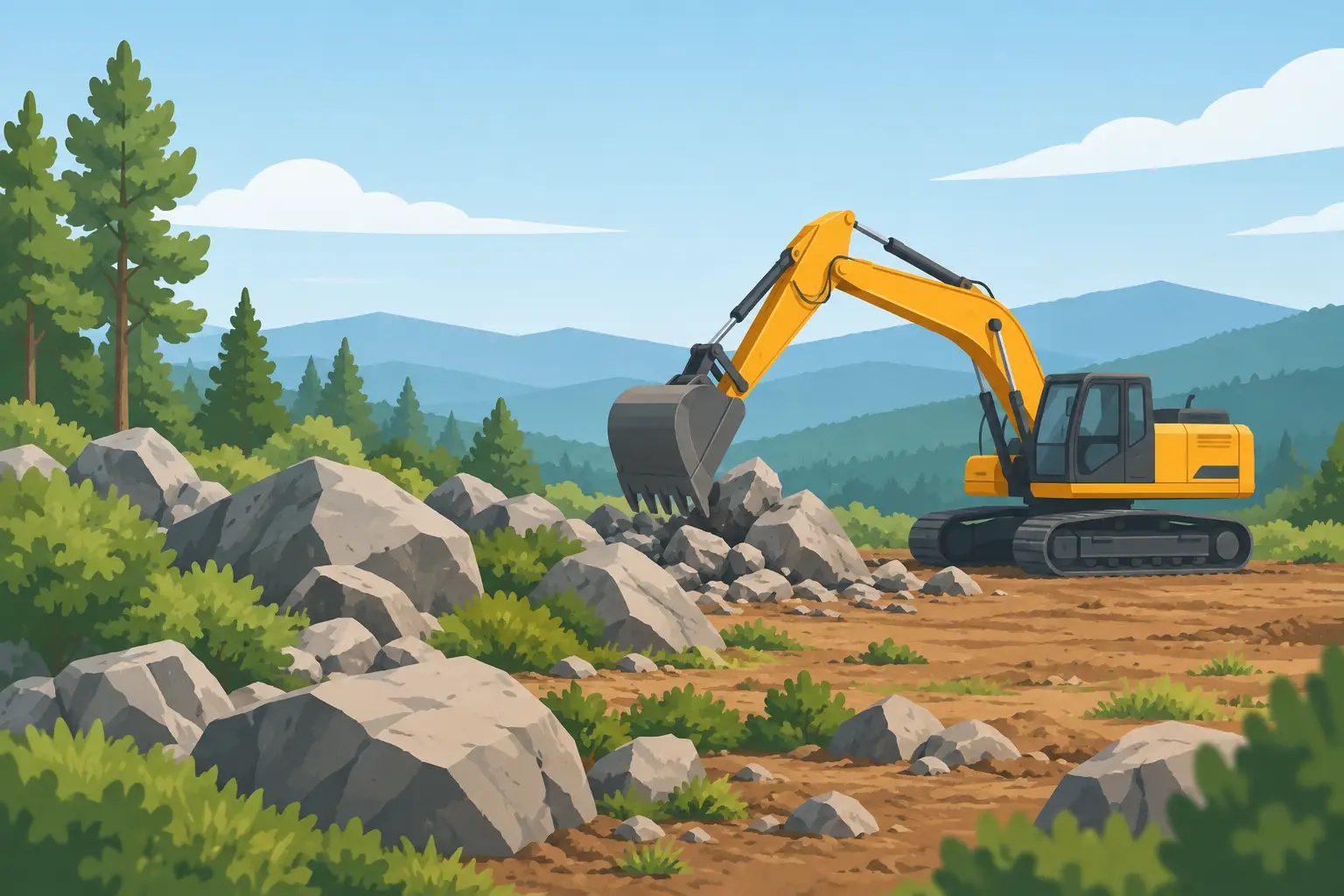
A rocky property can look like a simple brush-clearing job until the first hidden ledge, loose boulder, or old fence line stops the equipment. This guide to clearing rocky acreage is built for Oklahoma landowners who need safer access, usable pasture, a cleaner homesite, or ground that is ready for the next phase of work. The right result is not bare dirt at any cost. It is a property that works better without creating erosion, equipment damage, or a bigger cleanup problem later.
Start With the Land You Have
Rocky acreage needs an on-site assessment before anyone chooses a machine or quotes a scope of work. Surface rock can be manageable, but rock shelves, buried stone, steep draws, wet areas, and uneven terrain all change the plan. A property that looks level from the road may have gullies, stump holes, discarded wire, or exposed bedrock beneath the brush.
Walk the acreage with the end use in mind. A future driveway, pasture, fence route, pond access lane, or building pad each calls for a different level of clearing. For example, a trail through cedar and brush may only need selective vegetation removal and a stable travel path. A homesite or gravel drive may require rock removal, grading, or excavation after the initial clearing is complete.
Mark what must stay before work begins. That includes mature shade trees, utility poles, water meters, gates, drainage features, boundary fences, and any areas where erosion is already a concern. If there are underground utilities or a planned septic system, identify those locations early. Good planning prevents expensive corrections once equipment is on the ground.
Identify What Is Rock and What Is a Hazard
Not every rock needs to be removed. In fact, trying to strip every stone from an acreage can disturb good soil, expose more erosion-prone ground, and add unnecessary cost. The question is whether the rock interferes with the intended use of the property.
Loose rocks in a future mowing area can damage blades and create a safety hazard. Large exposed boulders may be harmless along a wooded edge but need attention near a driveway or building site. Flat rock shelves can provide a solid base in some places, while fractured stone may shift under traffic and need to be addressed before construction.
A field assessment should also look for hazards that are easy to miss under heavy growth. Old barbed wire, T-posts, abandoned farm equipment, concrete, tires, and trash are common on rural acreage. These items can damage forestry equipment, puncture tires, or become dangerous projectiles during mowing. Clearing vegetation first often reveals the real condition of the land.
Choose the Right Clearing Method for Rocky Ground
Forestry mulching is often a strong fit for rocky acreage with brush, small trees, and thick undergrowth. A properly operated mulcher can reduce woody vegetation close to ground level while leaving mulch behind to help cover exposed soil. It is especially useful for restoring access, opening fence lines, reducing cedar growth, and making neglected acreage manageable again.
However, forestry mulching is not the answer to every rocky-land problem. Large boulders, dense rock piles, substantial grading needs, and deep-rooted stumps may require an excavator, skid steer attachment, tractor work, hauling, or a combination of services. A good contractor will explain that difference plainly instead of forcing one machine onto every job.
Bush hogging can be a practical option where the vegetation is mostly grass, weeds, and light brush and the terrain has already been inspected. On rocky ground, the mower height and travel speed matter. Running too low or too fast can strike hidden rock, damage equipment, and leave an uneven finish. It may take more than one pass to bring an overgrown field back under control safely.
The best approach often comes in stages: clear the brush, identify and manage obstacles, establish access, then decide which areas need follow-up grading, rock removal, or regular mowing. This approach keeps the project focused and gives the owner a clearer picture of what is beneath the overgrowth.
Protect Soil While Clearing Rocky Acreage
When vegetation disappears quickly, water can start moving differently across the property. That is a major concern on sloped or rocky Oklahoma acreage, where soil may already be thin. Clearing should improve the land without turning every rainstorm into a washout.
Leaving mulch in place is one way to help. Mulch can reduce direct soil impact from rain, slow moisture loss, and limit the amount of loose dirt moving downhill. It is not a substitute for drainage design, but it is often a better choice than scraping a site bare when the goal is brush control and access.
Pay close attention to drainage paths, creek crossings, low spots, and the edges of ponds. Heavy equipment should avoid unnecessarily tracking through wet ground or crossing drainage areas without a plan. If a new drive or access route is part of the project, water needs a place to go. A poorly placed trail can channel runoff and create ruts that become more expensive to repair each season.
There is also a trade-off between a polished appearance and long-term stability. A completely smooth, cleared field may look finished on day one, but it may not be the most practical outcome if the soil is shallow or the ground is full of embedded stone. In those areas, a selectively cleared, well-maintained property can be safer and more useful than an aggressively graded one.
Plan Access Before Bringing in Equipment
A professional crew needs a safe way to enter, work, and exit the property. Check gate width, bridge capacity, low limbs, overhead lines, soft shoulders, and tight turns before the scheduled date. If the only entrance crosses a narrow culvert or a wet low-water crossing, that needs to be discussed during planning rather than discovered with equipment at the gate.
Access also affects where debris, rock, and material will go. If brush is mulched on site, the plan is simpler. If rock, trash, or large timber must be hauled away, the crew needs room for trucks and a practical loading area. Limited access does not automatically stop a project, but it can affect equipment selection, production time, and price.
For larger acreage, divide the work into zones. Start with the entrance, primary access roads, homesite, barn area, or pasture gates that will make the rest of the property easier to reach. This gives you useful progress early and helps avoid spending the budget on remote areas before the main property functions are restored.
Ask for a Clear Scope and Itemized Estimate
Land clearing estimates should explain what is included, what is excluded, and what conditions could change the price. Rocky acreage is a good example of why this matters. A crew may be able to price visible brush removal with confidence, but buried rock, concealed debris, steep terrain, and inaccessible sections can add labor or require a different machine.
Ask how the contractor will handle rocks that interfere with the stated goal. Will they be moved, piled, hauled, marked, or left in place? Ask whether stumps are being cut low, ground down, or removed entirely. Those are different services with different outcomes, especially if you plan to mow, build, or install fencing afterward.
You should also know how the site will be left at the end of the job. A final walkthrough is the right time to review cleared boundaries, saved trees, access routes, remaining obstacles, and any next-step recommendations. Clear communication protects both the property owner and the crew.
Keep the Acreage Usable After the Initial Work
Clearing is often the beginning of land management, not the finish line. Cedar, brush, and invasive growth can return quickly when a property is left alone. Regular bush hogging, selective mulching, fence-line maintenance, and occasional storm cleanup are usually less costly than allowing the acreage to become overgrown again.
The maintenance schedule depends on the land. A frequently used pasture may need seasonal attention, while a wooded recreational property may only need periodic trail and boundary clearing. Watch for new washouts, fallen limbs, exposed rock, and brush growth around gates and roads. Addressing those issues early helps preserve the work already completed.
For Oklahoma property owners, the safest clearing plan is the one that fits the terrain, the intended use, and the condition of the ground. All Star Forestry Mulching approaches rocky acreage with that practical mindset: assess first, use the right equipment, protect the site, and leave the land easier to use than it was before. When the work is planned around your property instead of a one-size-fits-all clearing method, the result holds up long after the equipment leaves.