How to Prepare Driveway Access Before Work Starts
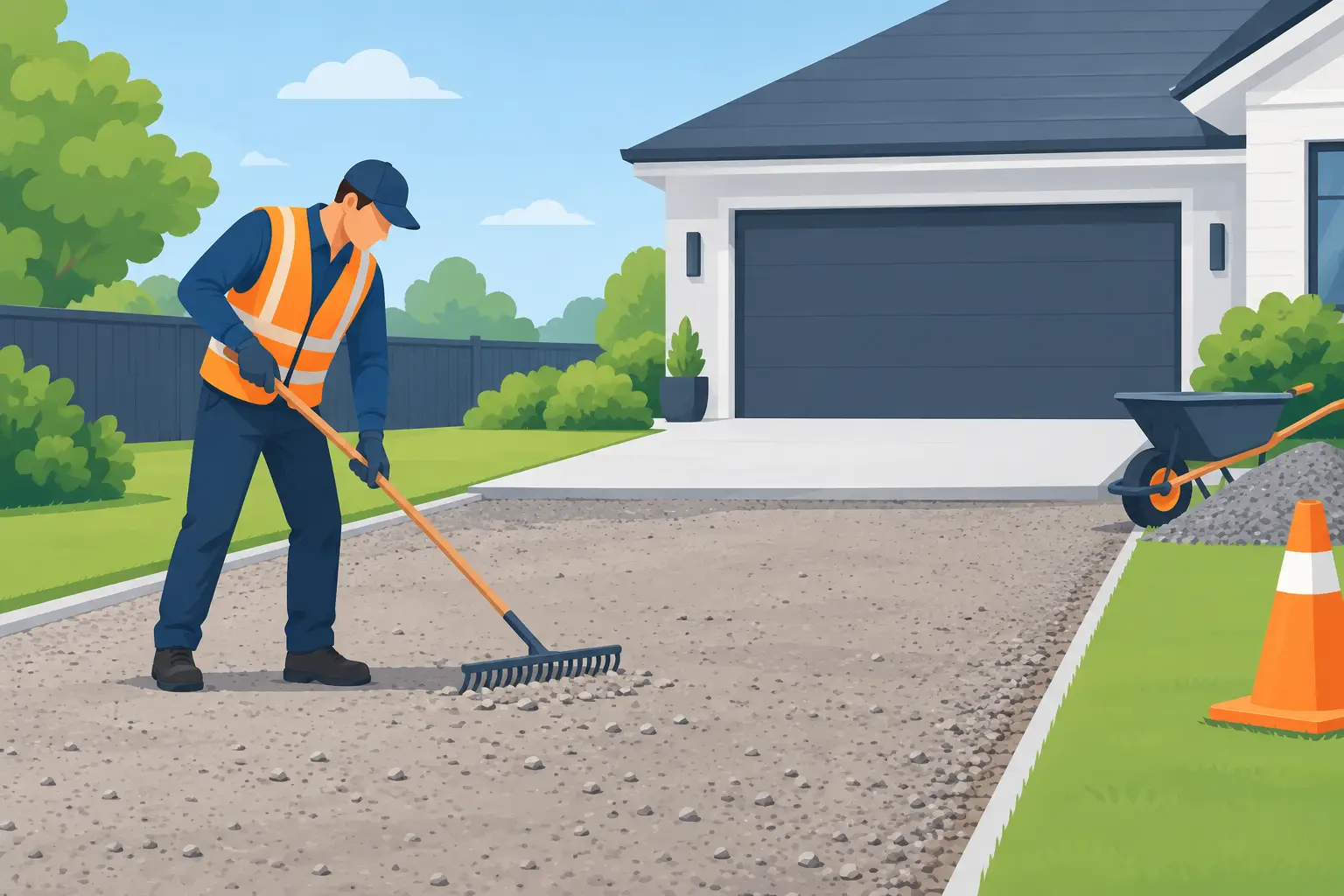
A truck, trailer, skid steer, or forestry mulcher is only as effective as its route onto your property. Knowing how to prepare driveway access before a land project begins helps prevent delays, protects your driveway, and gives equipment operators room to work safely. On Oklahoma acreage, that often means looking beyond the gate and checking soft spots, low limbs, tight turns, drainage crossings, and obstacles that can turn a simple arrival into a costly problem.
Start With the Equipment and Scope of Work
Driveway preparation depends on what needs to reach the site. A pickup and utility trailer have different clearance and turning needs than a heavy equipment trailer. Forestry mulching, bush hogging, brush removal, gravel work, fence installation, and construction preparation can each require different machines and support vehicles.
Before work is scheduled, confirm the planned equipment, approximate trailer length, and whether additional material deliveries are expected. Ask whether the operator needs room to turn around on site or can back out safely. A narrow rural drive may be workable for one job but unsuitable for a large truck hauling a mulcher or tractor.
This conversation also helps set the right expectations for your property. Clearing a new route through brush may be part of the project, but it should be planned and priced as part of the scope rather than discovered when the crew arrives. Clear, itemized estimates work best when access conditions are discussed up front.
How to Prepare Driveway Access for Equipment
Walk or drive the full route from the public road to the work area a few days before the scheduled date. Do not assume that a driveway that works for family vehicles will work for commercial equipment. Look at the entrance, the road surface, the turns, and the destination as one continuous route.
Clear low limbs and overgrown brush
Low branches are one of the most common access issues on rural properties. They can scrape truck cabs, damage trailer-mounted equipment, block mirrors, and force a driver closer to a ditch or fence line. Trim limbs that hang into the travel lane, especially near the entrance and around sharp curves.
Brush growing into the driveway creates similar problems. Even when it is soft enough for a pickup to push through, it can hide fence posts, stumps, rocks, and washouts along the edge. If the route is heavily overgrown, professional brush clearing or forestry mulching may be needed before larger equipment can enter safely.
Check width, height, and turning room
A driveway should provide enough width for the vehicle and enough shoulder room to avoid clipping trees, gates, culverts, or fence corners. Pay close attention to places where the road narrows between trees or where a gate opening is tighter than the rest of the drive.
Turns deserve extra attention. Long trailers do not follow the same path as the truck pulling them. A turn that feels generous in a pickup can force a trailer onto a soft shoulder, into a ditch, or through a low-hanging tree. If there is a tight turn at the road, near the house, or at a creek crossing, share photos and measurements with the contractor before the work date.
Vertical clearance matters as well. Power lines, service lines, tree limbs, and decorative entrance features may limit access. Never attempt to raise, move, or work near electrical lines yourself. Let the utility provider or a qualified professional address those hazards.
Inspect the driveway surface and drainage
Oklahoma weather can change ground conditions quickly. A gravel drive that is firm in dry weather may develop ruts, soft shoulders, or muddy low spots after a hard rain. Walk the route and look for standing water, loose gravel, deep potholes, washed-out areas, and places where the drive slopes toward a ditch.
Culverts and creek crossings need special care. Make sure they are visible, intact, and sized for the vehicles expected to cross them. If you do not know the condition of a buried culvert, do not guess. A heavy truck crossing a weak or damaged pipe can leave you with a blocked driveway and an expensive repair.
There is a trade-off here. Fresh gravel can improve a weak surface, but loose, deep gravel may shift under heavy tires until it compacts. For a damaged drive, grading, compaction, culvert repair, or a load of properly placed base material may be a better answer than simply spreading rock over the problem.
Make the Entrance Easy to Find and Use
A crew should not have to hunt for the correct driveway, particularly on a rural road with limited cell service or several neighboring entrances. Clearly mark the entrance and make sure the house number is visible from the road. If your property has a locked gate, arrange access before the crew is on site.
Move vehicles, trailers, hay equipment, trash cans, and other movable items away from the entrance and travel path. Open gates fully and secure them so they cannot swing back into the route. If a gate is too narrow for the planned equipment, identify that issue early rather than expecting an operator to squeeze through and risk damage.
For shared drives, give neighbors a heads-up. Equipment deliveries may temporarily slow traffic, and crews need room to maneuver without blocking another property owner. A quick conversation can prevent unnecessary frustration and keep everyone safer.
Protect What You Want to Keep
Access preparation is not just about making room. It is also about identifying the things that should not be disturbed. Mark sprinkler heads, septic lids, shallow water lines, landscape lighting, decorative boulders, hidden drainage structures, and fragile driveway edges when they are close to the route.
Use visible markers that can be seen from the driver’s seat, but place them far enough from the travel lane that they will not become hazards themselves. Flagging can help identify a fence corner or a culvert headwall. For underground utilities, follow the proper locate process before any digging, grading, stump work, or construction begins.
If your driveway passes near a pond, creek, ravine, or steep slope, tell the contractor. The safest route may not be the shortest route. An experienced operator may choose a wider turning area, different staging location, or a lighter machine setup to reduce the chance of rutting or shoulder failure.
Plan for Weather and Staging
Rain is a major factor in access planning, especially on clay soils and unimproved roads. When a driveway becomes saturated, heavy traffic can create deep ruts that remain long after the job is complete. It may be smarter to reschedule after significant rainfall than to force equipment through a soft route and cause avoidable damage.
Give the crew a practical staging area if possible. This is a firm, open space where a truck can park, equipment can be unloaded, and the operator can inspect the site without blocking the road. Keep children, pets, livestock, and bystanders away from this area while equipment is moving.
If the work requires multiple days, ask where equipment will be parked overnight and whether the route needs to remain open for your own vehicles. Ranch operations, deliveries, emergency access, and daily commutes should all be part of the plan. Good site preparation accounts for how the property actually functions, not just where the work will happen.
Share the Details Before the Crew Arrives
The best time to mention a locked gate, washed-out crossing, bridge weight concern, or steep driveway is during planning, not when the truck is already at the road. Send clear photos of the entrance, difficult turns, narrow gates, creek crossings, and the work area. If conditions change after an inspection, such as storm damage or heavy rain, report that change right away.
A professional contractor should be willing to discuss access limits honestly. Sometimes the solution is light trimming and a better turnaround. Other times it requires driveway repair, temporary access improvements, or a different piece of equipment. All Star Forestry Mulching approaches those decisions with the same discipline used on every job: assess the site, plan the work, operate safely, and leave the property more functional than it was before.
A prepared driveway gives your project a clean start, but it also protects the access you depend on every day. Take the time to walk the route, address the weak points, and make room for safe operation. That preparation helps keep the work on time, on budget, and focused on improving your land instead of fighting the way in.