Best Ways to Improve Pasture on Oklahoma Land
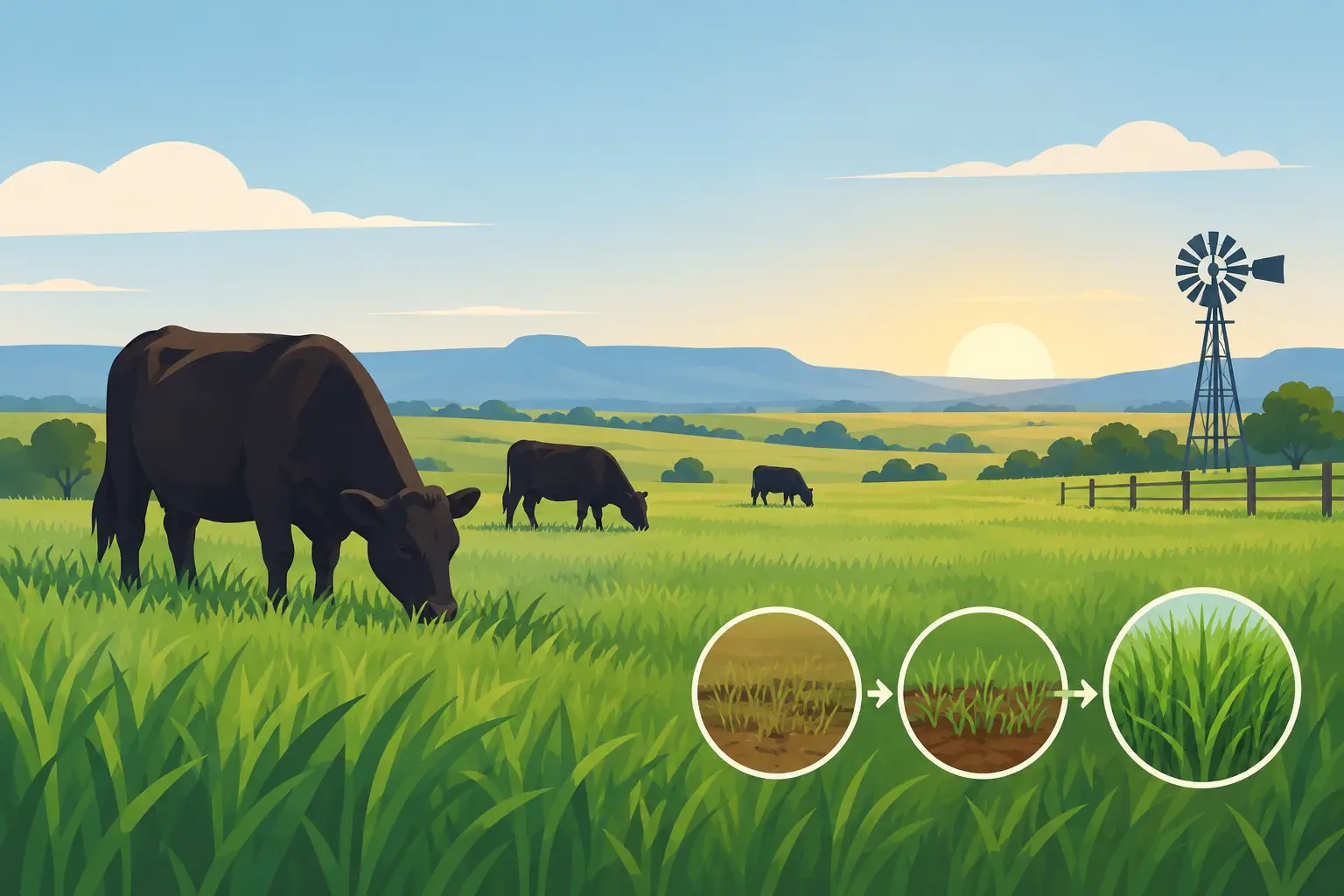
A pasture can look green from the road and still underperform where it counts. Thick cedar, brushy fence lines, bare spots, weeds, and compacted ground can reduce usable grazing acres, limit access, and make routine maintenance harder than it needs to be. The best ways to improve pasture start with an honest look at what is taking space, what your soil can support, and how livestock or equipment move across the property.
For Oklahoma landowners, pasture improvement is rarely a one-day fix. Weather shifts fast, soil conditions vary from one field to the next, and the right approach for a horse pasture may not be the right one for cattle acreage. A practical plan should improve forage, protect the ground, and make the property easier and safer to manage for years ahead.
Start With a Pasture Assessment
Before cutting, spraying, fertilizing, or seeding, walk the entire pasture. Look for areas where brush has pushed into open ground, where water stands after rain, where livestock consistently overgraze, and where gates, ponds, or fence lines are difficult to reach. Those conditions often point to the real cause of declining productivity.
Pay attention to the type of vegetation already present. Native grasses, improved bermudagrass, fescue, annual weeds, blackberry, eastern redcedar, and volunteer saplings all call for different decisions. Removing every plant is not the goal. The goal is to preserve productive cover while taking back the acres being lost to unwanted growth.
A soil test is one of the most useful first steps. It shows pH and nutrient levels so lime and fertilizer can be applied based on need instead of guesswork. Spending money on seed or fertilizer before correcting a major soil issue can lead to disappointing results.
Control Brush Before It Takes Over
Woody brush competes with grass for sunlight, moisture, and nutrients. It also creates hiding cover for snakes and pests, blocks visibility, restricts access, and makes mowing difficult. In many Oklahoma pastures, cedar and invasive brush can spread quickly if they are allowed to establish.
Forestry mulching is often a practical option where brush, young trees, and overgrown growth have taken over usable pasture. The equipment grinds vegetation into mulch across the ground rather than leaving large burn piles or hauling away every piece of material. That mulch can help hold moisture, reduce erosion, and limit immediate weed germination while the pasture begins to recover.
The right clearing method depends on the site. Light brush may only need bush hogging. Dense cedar, thick saplings, or heavily overgrown draws may need a more deliberate forestry mulching plan. Mature trees worth keeping should be identified before work begins, along with fence lines, utilities, ponds, and drainage paths. Clearing too aggressively can expose soil and create erosion problems, especially on slopes or around water.
Improve Pasture by Managing Weeds Early
Weeds are easier and less expensive to control when they are small and scattered. Once they seed out or form dense stands, they can crowd out desirable grasses and turn a manageable job into a repeated annual expense.
Mowing can help prevent certain weeds from producing seed, but it does not solve every weed problem. Some species respond better to targeted herbicide treatment, while others are best addressed by improving grazing pressure, soil fertility, and grass cover. Timing matters. Spraying at the wrong growth stage can waste material and labor without achieving good control.
A thick, healthy stand of forage is one of the best weed-control tools available. Bare ground invites unwanted plants. That is why brush clearing, soil correction, seeding, and grazing management work best as parts of the same plan rather than separate projects.
Match Seed and Fertility to Your Ground
Reseeding can be worthwhile, but only after the reasons for poor grass cover have been addressed. If brush shade, compacted soil, low pH, or overgrazing caused the original stand to thin out, new seed will face the same problem.
For many Oklahoma properties, bermudagrass is a dependable warm-season choice because it handles heat and responds well to fertility and management. Native grasses may be a better fit on some larger or lower-input acres, particularly where wildlife habitat and erosion control are priorities. Cool-season options can extend forage availability in certain situations, but they require the right timing, moisture, and management.
Use soil test results to guide lime and fertilizer applications. Lime takes time to affect soil pH, so it is often best applied well ahead of an establishment project. Fertilizer should support a clear goal, whether that is growing more hay, carrying more grazing animals, or rebuilding a damaged stand. Applying more than the ground needs is not good stewardship and does not guarantee better pasture.
Use Grazing Pressure to Protect Forage
Even a well-cleared, fertilized pasture will struggle if animals are left on it too long. Overgrazing weakens grass plants by removing too much leaf area, reducing root growth, and leaving soil exposed. The result is often more weeds, more mud, and less dependable forage.
Rotational grazing gives sections of pasture time to recover. It does not have to be complicated. Temporary fencing, a few well-placed gates, and reliable water access can make it easier to move livestock before they graze plants down to the dirt. The number of paddocks and length of rest periods should match the acreage, livestock numbers, forage type, and weather conditions.
During drought or slow-growth periods, stocking rates may need to change. That can be a hard decision, but protecting the grass stand is usually less costly than trying to rebuild a severely damaged pasture later. Keep a sacrifice area when possible, especially around barns or feeding locations, so the rest of the pasture is not torn up during wet weather.
Restore Access, Drainage, and Fence Lines
Pasture usability is about more than grass. If you cannot get a truck, tractor, trailer, or mower safely through the property, routine care becomes harder and emergency access can be limited. Clearing lanes to gates, ponds, barns, and remote pasture sections creates a more manageable property.
Fence-line clearing deserves special attention. Brush growing through wire adds labor to every repair, hides broken sections, and can make it difficult to check livestock. Clearing back a reasonable maintenance path lets owners inspect fences, mow as needed, and respond faster when something goes wrong.
Drainage should be protected during any land work. Avoid pushing debris into creeks, ditches, culverts, or pond edges. On low areas, the answer may be controlled access and better timing rather than major ground disturbance. Every pasture has its own limits, and a site-conscious plan recognizes them.
Plan for Maintenance, Not Just the First Cleanup
The best ways to improve pasture include keeping new growth from becoming another clearing project. After brush is removed, schedule regular mowing or bush hogging based on growth conditions. Spot-treat returning weeds before they spread. Monitor cedar seedlings and volunteer brush while they are still easy to handle.
A simple seasonal routine goes a long way: inspect fences and gates, watch forage height, check water access, evaluate bare areas, and address storm-damaged limbs or blocked trails promptly. Consistent maintenance costs less than waiting until access is lost and brush has reclaimed the field.
For heavily overgrown acreage, a professional site assessment can help determine where forestry mulching, bush hogging, selective clearing, or follow-up maintenance will deliver the most value. All Star Forestry Mulching approaches each property with a clear work plan, safe equipment operation, and an itemized scope built around the ground you actually have.
Better pasture is built one practical decision at a time. Clear what is choking out productive acres, strengthen the soil and grass that belong there, and maintain access so the land stays useful when you need it most.