Brush Removal That Makes Oklahoma Land Usable
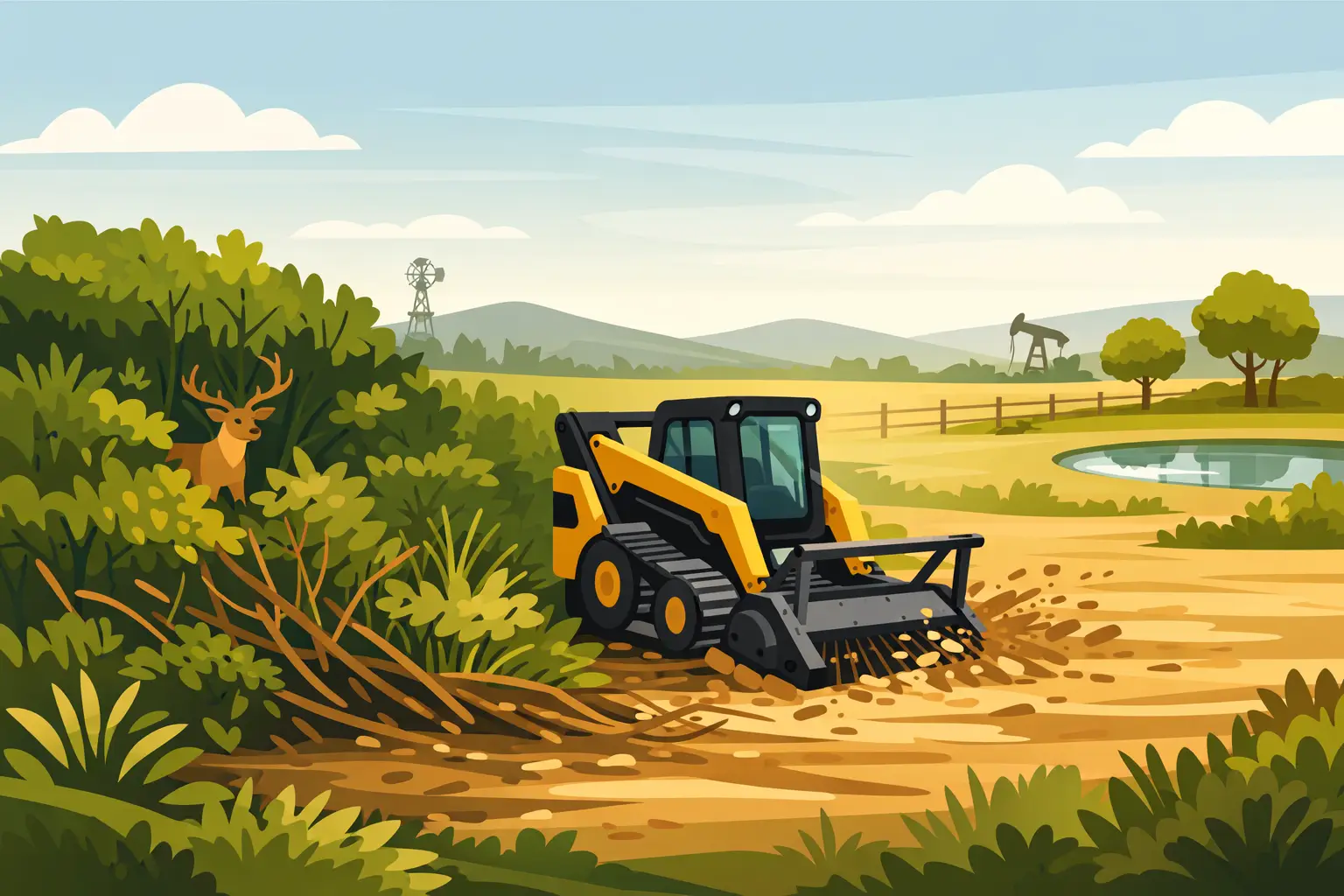
A fence line disappears faster than most property owners expect. One growing season can turn a usable corner of pasture, a future build site, or a long-neglected driveway into a tangle of cedar, briars, saplings, and tall grass. Professional brush removal gives that ground a purpose again - without treating every acre like it needs the same type of clearing.
For Oklahoma property owners, the right approach starts with what the land needs next. Are you trying to reach a pond, reclaim grazing area, reduce wildfire fuel near a home, prepare for construction, or simply stop brush from taking over? Those answers determine the equipment, work plan, cleanup needs, and long-term maintenance strategy.
Brush Removal Is More Than Cutting Things Down
Brush removal means clearing unwanted vegetation that limits access, visibility, safety, or land use. Depending on the property, that may include thick weeds, briars, brush piles, volunteer trees, cedar, small hardwoods, vines, and overgrown fence rows.
The goal is not always bare dirt. In fact, stripping a site too aggressively can create erosion problems, disturb good soil, and leave a property looking rough long after the work is complete. A site-conscious plan removes what is in the way while protecting the ground cover, trees, drainage paths, and usable features worth keeping.
That is why a quick look from the road is rarely enough to price a job correctly. Brush density, slope, wet areas, buried debris, rock, existing utilities, access points, and the final use of the land all matter. A small lot with heavy brush and limited equipment access may require more time than several open acres with light growth.
When Oklahoma Properties Need Brush Removal
Overgrowth usually becomes a problem gradually, then suddenly. A landowner may tolerate a few cedars along the edge of a field until they start crowding out grass. A homeowner may put off clearing behind a shop until it becomes hard to inspect the fence or safely walk the property. Builders often find that brush has hidden uneven ground, dumped materials, or old stumps that need attention before work can begin.
Brush removal is often the practical first step when you need to restore access to trails, gates, ponds, creek crossings, utility routes, or hunting areas. It can also make a property easier to inspect after storms, identify damaged fencing, and spot standing dead trees or other hazards.
For pasture and acreage management, brush competes with grass for sunlight, water, and nutrients. Removing invasive or unwanted woody growth can help reclaim usable grazing ground. It does not replace a full pasture management plan, but it gives grass and forage a better chance to recover where brush has taken over.
Near homes, barns, shops, and access roads, reducing thick vegetation can improve sightlines and lower the amount of dry fuel close to structures. Fire risk depends on conditions, terrain, vegetation type, and weather, so no contractor should promise that clearing alone makes a property fireproof. Still, maintained defensible space and clear access can make a meaningful difference when conditions turn dangerous.
Choosing the Right Method for Brush Removal
There is no single machine or method that fits every job. The best option depends on the vegetation, terrain, soil conditions, and what you want the property to look like when the work is done.
Forestry mulching for dense brush and small trees
Forestry mulching is often a strong fit for thick brush, cedar, saplings, and small trees across rural acreage, lots, trails, and fence lines. A mulching machine processes vegetation into a layer of organic material that stays on the ground. That mulch can help limit erosion, retain moisture, and reduce the need to haul away piles of debris.
It is especially useful when a landowner wants improved access and cleaner ground without the disruption of conventional land clearing. Mulching is not the answer for every tree size or every development site, but it is an efficient option for many overgrown Oklahoma properties.
Bush hogging for lighter growth and maintenance
Bush hogging works well for tall grass, lighter brush, and ongoing field maintenance. It is a practical way to keep growth under control after initial clearing or to maintain areas that are beginning to get ahead of you.
A mower will not handle dense woody material the same way a forestry mulcher can. Trying to mow heavy brush with the wrong equipment can leave rough results, damage equipment, and create a bigger job later. The condition of the vegetation should drive the recommendation, not a one-size-fits-all service package.
Selective clearing when good trees matter
Many properties need selective brush removal, not total clearing. You may want to preserve mature shade trees, a windbreak, native trees near a home, or vegetation around a pond while removing the tangled growth around them.
Clear marking and a walk-through before work begins are essential. A dependable contractor should ask what stays, what goes, where equipment can travel, and whether there are features such as septic systems, wells, irrigation lines, drainage areas, or unmarked obstacles that need extra care.
What a Clear Brush Removal Estimate Should Cover
A reliable estimate should make the scope easy to understand before equipment arrives. It should identify the work area, describe the intended result, and explain whether the job includes mulching, mowing, pushing, hauling, pile removal, or follow-up work.
For larger or more complex properties, a clear estimate should also address:
- The approximate acreage or defined work boundaries
- Vegetation type and expected density
- Site access, slopes, wet ground, rock, or debris concerns
- Trees, structures, utilities, fences, and areas to protect
- What happens to mulch, brush piles, stumps, and material that cannot remain onsite
No two pieces of land are exactly alike. Honest pricing accounts for that upfront rather than offering a low number that grows once the work has started. Property owners deserve clear, itemized estimates and no surprise fees.
Preparing Your Property Before the Crew Arrives
A little preparation helps work move safely and keeps the project on schedule. If possible, identify property lines, gates, desired access routes, and the areas you want cleared. Mark items that could be hidden by brush, including water meters, well heads, irrigation components, decorative features, or shallow lines.
It is also smart to remove loose personal items from the work area and keep vehicles, livestock, pets, and bystanders away from active equipment. If there are known underground utilities, contact the appropriate utility locating service before ground-disturbing work begins. Even when forestry mulching is primarily above-ground work, site awareness protects people, equipment, and property.
Tell the crew about any conditions that may not be obvious: soft ground after rain, old trash dumps, buried wire, abandoned foundations, rock ledges, or areas where equipment should never travel. That kind of local knowledge can prevent delays and help the operator choose the safest route through the property.
The Best Results Include a Maintenance Plan
Brush removal is often the reset, not the finish line. Seeds, sprouts, and fast-growing vegetation will respond to sunlight and open ground. How quickly they return depends on rainfall, soil, plant species, nearby seed sources, and how the property is used.
Some landowners need a one-time cleanup before selling, building, or installing a fence. Others benefit from scheduled bush hogging or periodic mulching to keep cedar and brush from returning to the same level. A pasture may need a different plan than a wooded homesite, and a trail system may need attention only where growth blocks access.
The smart approach is to maintain land before it becomes another major clearing project. Regular attention usually costs less, protects access, and keeps a property looking cared for year-round.
A Safer, More Useful Property Starts With a Real Plan
Good brush removal should leave you with more than a freshly cut view. It should give you safer access, clearer boundaries, better visibility, room to work, and a property that is easier to maintain. At All Star Forestry Mulching, the job begins with listening to how you plan to use the land, then building a work plan that fits the ground and the goal.
Whether you have an overgrown lot in Choctaw, a pasture outside Oklahoma City, or rural acreage near Tulsa, do not wait until brush closes off the places you need to reach. A straightforward site assessment can turn an overgrown problem into ground you can use with confidence.