How to Plan Land Maintenance for Oklahoma Acreage
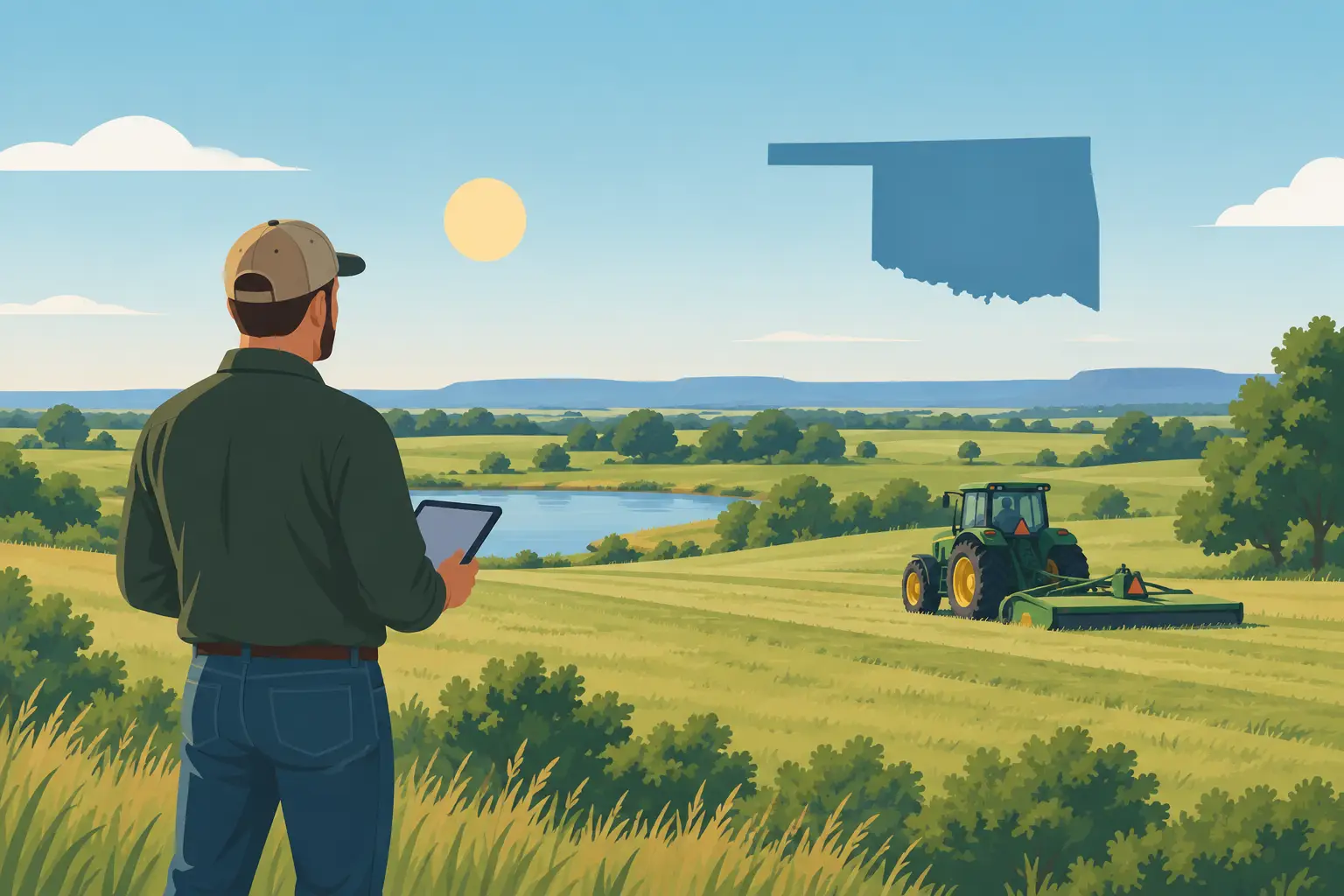
A property can look manageable from the road and still have problems that affect access, grazing, safety, and future projects. Learning how to plan land maintenance starts with seeing the land as it is: where brush is closing in, where water moves after a storm, which fence lines are disappearing, and what needs to stay clear for people, equipment, or emergency access.
For Oklahoma acreage, a good plan is not a one-time clearing project followed by years of neglect. It is a practical schedule that matches your goals, your property's terrain, and the way vegetation grows through changing seasons. The right amount of work depends on whether you manage a homesite, pasture, hunting land, rental property, or a future build site.
Start With the Job Your Land Needs to Do
Before choosing equipment or setting a mowing date, identify the main purpose of each part of the property. A pasture needs usable grass, intact fences, and room to move livestock. A rural homesite needs clear driveways, defensible space around structures, and reliable access. A development tract may need brush removal, visible boundaries, and room for survey, utility, or construction crews.
Walk the property and divide it into work zones. The front entrance, driveway, homesite, pond edge, pasture, wooded area, fence lines, and future building area rarely need the same treatment. This keeps you from paying to clear land that should remain shaded or wooded while overlooking the areas that create daily problems.
As you walk, take photos and make notes on issues such as fallen limbs, thick cedar, saplings, invasive growth, washouts, low limbs, hidden debris, and areas where equipment cannot pass. Mark utility lines, septic components, gates, wells, culverts, and drainage features. A plan is only useful when it protects the improvements already on the property.
How to Plan Land Maintenance Around Priorities
Put work in order based on safety, function, and appearance - in that order. A dead tree over a drive, brush blocking a gate, or growth narrowing emergency access deserves attention before cosmetic cleanup along a back boundary. This is especially true after wind events, heavy rain, or a season of fast growth.
Your first priority should be hazards and access. Clear downed trees, hanging limbs, overgrown entrances, and brush that prevents safe travel. Next, focus on land function: pasture recovery, fence-line visibility, drainage, trail access, or preparing a pad for a shop, barn, or home. Appearance comes after the property is safe and usable.
Be honest about what needs a one-time reset versus recurring maintenance. Heavy brush, volunteer trees, and dense cedar usually require more than routine mowing. Forestry mulching can reduce unwanted woody vegetation while leaving mulch on the ground, helping limit erosion and reducing the need to haul or burn material. Bush hogging is often better for keeping established grass and light growth under control after the initial cleanup.
There is a trade-off. Clearing too aggressively can expose bare soil, disturb desirable trees, and create erosion concerns on slopes. Waiting too long can turn a manageable mowing job into a larger clearing project. The goal is not to make every acre look the same. It is to maintain the right condition for each area.
Build a Seasonal Schedule That Fits Oklahoma Growth
Oklahoma weather does not follow a perfect calendar, so plan by conditions as well as months. Wet springs can accelerate grass and brush growth. Summer heat can slow some vegetation but make dry grass and brush a fire concern. Fall is often a good time to restore access and address woody growth, while winter can provide clearer visibility into wooded areas and fence lines.
In spring, inspect roads, culverts, creek crossings, and low areas after heavy rain. Look for erosion, standing water, and branches that came down during storms. This is also the time to watch for fast-growing brush around gates, driveways, and buildings. If pasture is part of your plan, avoid cutting on a schedule that harms your grazing goals. The right timing depends on grass type, livestock use, and rainfall.
During summer, keep access routes open and maintain reasonable clearance around homes, barns, shops, and fuel storage areas. Mow or manage tall grass before it becomes difficult to travel through or adds to wildfire exposure. Do not assume every dry, hot day is a good day for field work. Ground conditions, active fire risk, and nearby structures all matter.
Fall is a strong season for clearing projects because owners can see what summer growth has taken over. It is a practical time to reclaim fence lines, improve hunting access, open future work areas, and prepare property for winter. In winter, evaluate results while vegetation is less dense. You can identify dead trees, plan next year's work, and tackle projects when pasture activity is lower, if site conditions allow.
Match the Maintenance Method to the Ground
A sound land plan names the outcome first and the equipment second. If you need a smoother field with grass maintained at a manageable height, bush hogging may be the right service. If thick brush and small trees are taking over, forestry mulching can reclaim ground without the large burn piles and extensive hauling associated with some traditional clearing methods.
Tractor work can help with grading, driveway repair, debris movement, and site preparation, but it should be planned with drainage in mind. Moving dirt without understanding where water flows can create a problem that shows up during the next hard rain. Around ponds, creeks, slopes, and wet ground, a lighter touch may be the smarter long-term choice.
Leave mature, healthy trees when they provide shade, privacy, wind protection, or value to the property. Remove vegetation that crowds structures, blocks access, damages fences, or prevents the land from being used as intended. A professional site assessment helps determine what should stay, what should go, and what can be maintained with a simpler routine afterward.
Set a Budget With Room for the Unknown
Land maintenance costs are easier to manage when you separate immediate work from future work. Start with a clear scope for the highest-priority areas, then create a second phase for lower-priority acreage. This prevents a large project from becoming vague and makes it easier to see what each dollar is accomplishing.
Ask for an itemized estimate that identifies the work area, service type, expected result, and any conditions that could affect the price. Steep slopes, hidden debris, wire in brush, wet ground, difficult access, and unusually dense growth can change the time and equipment required. Clear communication before equipment arrives helps avoid surprise fees and keeps the crew focused on the agreed plan.
It also helps to reserve part of the annual budget for storm cleanup or urgent hazard reduction. A damaged tree near a driveway or building cannot always wait for the next scheduled maintenance visit. Planning for the unexpected protects the work you have already completed.
Keep a Simple Property Record
You do not need a complicated management binder. Keep a basic map, photos, service dates, and notes about what was done in each zone. Record where brush returns fastest, when pasture was cut, which culverts need attention, and where erosion has started. Over two or three seasons, these notes show patterns that are easy to miss from memory alone.
After each project, walk the site with the contractor. Confirm that entrances are clear, gates operate, fence lines are visible, and the finished ground matches the intended use. All Star Forestry Mulching uses this kind of site-specific planning because a clean-looking property is not enough if it still lacks safe access or a workable next step.
The best land maintenance plan is one you can keep up with. Start with the places that affect safety and daily use, schedule recurring work before growth gets ahead of you, and adjust as the property changes. Good stewardship is not about clearing every inch - it is about keeping your land ready when you need it.