7 Rural Property Upkeep Jobs That Prevent Trouble
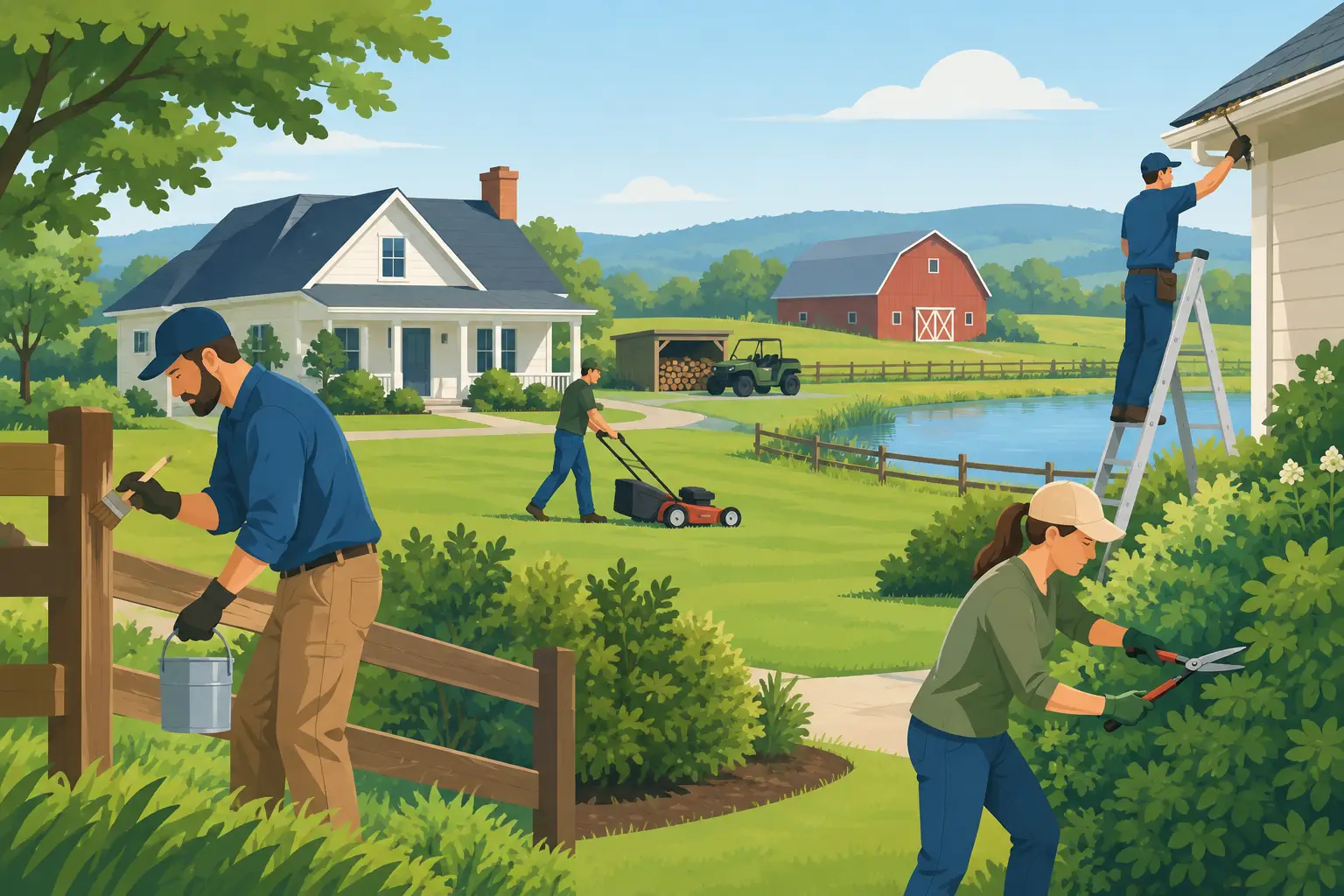
A rural driveway can look fine on Friday and become hard to pass after one Oklahoma storm. A low limb drops across the entrance, a washout cuts a rut beside the gate, or tall grass hides a damaged fence line. Rural property upkeep is not about keeping every acre manicured. It is about keeping your land safe, accessible, useful, and ready when you need it.
For acreage owners, the best maintenance plan is usually steady and practical. Address small problems before they close off access, damage equipment, create fire concerns, or turn into a much larger clearing project. The right schedule depends on your terrain, intended land use, livestock, tree cover, and how often you are on the property. Still, a few core jobs make a major difference on almost every rural property.
Start Rural Property Upkeep With Access
Access comes first because every other job depends on it. If you cannot safely reach a fence, pond, pasture, work area, or future build site, routine maintenance becomes slower and more expensive.
Walk or drive your main routes after heavy rain and during the growing season. Look for soft shoulders, standing water, exposed roots, low-hanging branches, brush narrowing the path, and limbs that could damage a truck, trailer, or tractor. Check gates for sagging hinges, loose latches, and vegetation growing into the opening.
Driveway maintenance is often a matter of timing. Light grading and drainage correction done early can prevent a small rut from becoming a washout. On wooded acreage, selective brush removal along travel routes improves visibility and gives vehicles room to pass without scraping paint or catching branches.
Do not clear wider than the property needs. A narrow trail for an ATV has different requirements than a route for a fire truck, livestock trailer, construction crew, or utility service vehicle. A site-conscious plan protects the trees and cover you want to keep while making the route dependable.
Keep Brush From Taking Back Useful Ground
In Oklahoma, brush can reclaim open ground fast. Volunteer trees, thorny growth, saplings, vines, and tall weeds reduce pasture usability, hide debris, and make it harder to inspect the property. Left alone, light overgrowth can become dense enough to limit access and require heavier equipment later.
The best approach depends on what is growing and what the ground will be used for. Bush hogging is a practical option for maintaining fields, open lots, and pasture areas with manageable vegetation. Forestry mulching is often a better fit where brush, small trees, and woody growth are too thick for regular mowing, particularly when you want to leave mulch on the ground instead of hauling or burning material.
Mulch can help shield bare soil and reduce erosion, but it is not a permanent answer to regrowth. New growth should be checked each season, especially along fence lines, roads, creek crossings, and property boundaries. Regular maintenance usually costs less and causes less disruption than waiting until every usable area is overgrown.
Be clear about your end goal before work begins. Are you opening a trail, improving grazing ground, preparing a homesite, clearing around a pond, or reducing fuel near a structure? Each goal calls for a different level of clearing. Removing every tree is rarely necessary, and it may create drainage, shade, privacy, or erosion issues you did not intend.
Watch Water and Drainage After Every Major Storm
Water decides a great deal about how rural land holds up. It can cut through a driveway, soften a gate entrance, expose a culvert, carry sediment into a pond, and turn a low spot into a recurring problem.
After significant rain, inspect the places where water naturally collects or crosses your property. Pay attention to culverts, ditches, creek approaches, driveway edges, terrace outlets, and areas below cleared slopes. The goal is not to force water somewhere it does not belong. The goal is to keep its path open and prevent it from taking soil, gravel, or access with it.
Vegetation management is part of drainage maintenance. Brush growing in a ditch or around a culvert can trap debris and slow water flow. At the same time, stripping all cover from a slope can increase erosion. This is where a property-specific plan matters. Clear the obstruction, preserve useful root systems and ground cover where possible, and avoid pushing debris into drainage paths.
If you see a fresh washout, deep rut, or exposed pipe, address it before the next storm. Temporary repairs are sometimes appropriate, but repeated damage usually points to a drainage issue that needs a more permanent solution.
Inspect Fences, Boundaries, and Working Areas
Fence work becomes much easier when you can see the fence. Brush and tall grass can hide leaning posts, broken wire, fallen limbs, and places where livestock or wildlife are pushing through. Keeping a reasonable maintenance corridor along fence lines also helps with regular inspections and repairs.
Avoid clearing blindly near old fences. Buried wire, abandoned posts, rocks, and discarded equipment can damage mowing and mulching equipment. A professional operator should assess the area before starting and adjust the work plan around known obstacles, utilities, structures, and property markers.
Property boundaries deserve the same attention. Markers can disappear under leaves and vegetation, and clearing beyond a line can create an avoidable neighbor dispute. If a boundary is uncertain, verify it before land work begins. A clean, accessible edge is useful, but accuracy matters more than speed.
Working areas around barns, sheds, wells, septic access points, equipment storage, and utility boxes should stay clear enough for safe service. Keep combustible vegetation away from structures, but do not pile brush where it blocks access or creates a new fire concern.
Use a Seasonal Plan for Rural Property Upkeep
A yearly plan keeps maintenance from becoming a string of emergency calls. You do not need to work every acre every month, but you should know which areas need attention during each season.
- Late winter and early spring: Inspect storm damage, open blocked access routes, check drainage before spring rains, and plan clearing before vegetation thickens.
- Late spring and summer: Mow or bush hog fields before growth gets too tall, monitor fence lines, maintain defensible space around buildings, and watch for fast brush regrowth.
- Fall: Clear fallen limbs, reopen trails, inspect culverts, improve access for hunting or seasonal property use, and prepare work areas before wet weather.
- Winter: Review problem spots from the year, address woody brush when visibility is better, and schedule larger clearing or build-site preparation projects.
The exact timing changes with rainfall and how the property is used. Pasture operators may need a more frequent mowing plan. A wooded recreational tract may need focused trail, drainage, and hazard work instead. A homesite under development may require repeated access and clearing adjustments as construction moves forward.
Know When a Job Needs Professional Equipment
Some upkeep is well suited to a landowner with a mower, hand tools, and a weekend. Other work carries real risks. Dense brush can conceal wire, holes, stumps, rock, and damaged fencing. Dead or leaning trees can fall unpredictably. Steep terrain, wet ground, overhead lines, and areas near structures call for careful equipment selection and experienced operation.
Professional land management is especially useful when the property has grown beyond routine mowing, when access has been lost, or when you need a clear plan instead of a one-time cutback. The right contractor should walk the site, discuss your intended use, identify obstacles, and provide a clear, itemized estimate. You should know what will be cleared, what will remain, how debris will be handled, and whether the work includes follow-up maintenance.
At All Star Forestry Mulching, that means treating each acreage project as a working property, not a generic clearing job. A pasture edge, rural driveway, build site, and wooded trail all require different decisions in the field.
Good rural property upkeep gives you options. It keeps the gate reachable after rain, makes the fence line easier to repair, preserves the ground you want to use, and helps you spot trouble before it becomes an expensive surprise. Start with the areas you rely on most, make a plan for the next season, and keep moving forward one manageable section at a time.